October 1, 2026
Deciding between resurfacing and a full replacement requires evaluating the current condition of your driveway or parking lot. Over time, exposure to severe weather, heavy vehicle loads, and chemical spills degrades the binder holding the aggregate together. Minor surface damage, such as hairline cracks or small surface depressions, can usually be corrected without tearing up the entire layout. However, extensive structural damage indicates that the base layers beneath the top surface have failed. Working with an experienced paving company allows you to receive an objective assessment of whether your pavement structure can support a new surface layer or requires total extraction.
Identify the Structural Depth of Damage
Understanding how deep the damage goes is the primary factor in determining your overall project costs. Surface-level cracks, small potholes, and minor fading are purely cosmetic or isolated to the top layer of the asphalt. In these situations, the base remains stable, structural integrity is preserved, and the foundation continues to support normal traffic loads effectively. Conversely, deep interconnected cracking, severe rutting, and major sunken areas signal that water has penetrated the sub-base and ruined the underlying soil foundation. If the base foundation has collapsed, applying a cosmetic layer over the top will fail prematurely, requiring a comprehensive rebuild to establish long-term stability.
Measure the True Age of the Surface
The overall age of your asphalt surface plays a massive role in choosing the right physical intervention method. According to Gitnux, asphalt pavements across the United States maintain a standard lifespan of approximately 15 years before requiring significant rehabilitation work. If your current driveway or commercial parking lot is under this age threshold and possesses a solid sub-base, restorative options are highly practical. Pavements that have surpassed this average lifespan often suffer from severe oxidation and brittle aggregate throughout all layers. In older installations, structural deterioration happens at an accelerated rate, making localized repairs inefficient compared to starting completely fresh.
Analyze the Mechanics of Asphalt Resurfacing
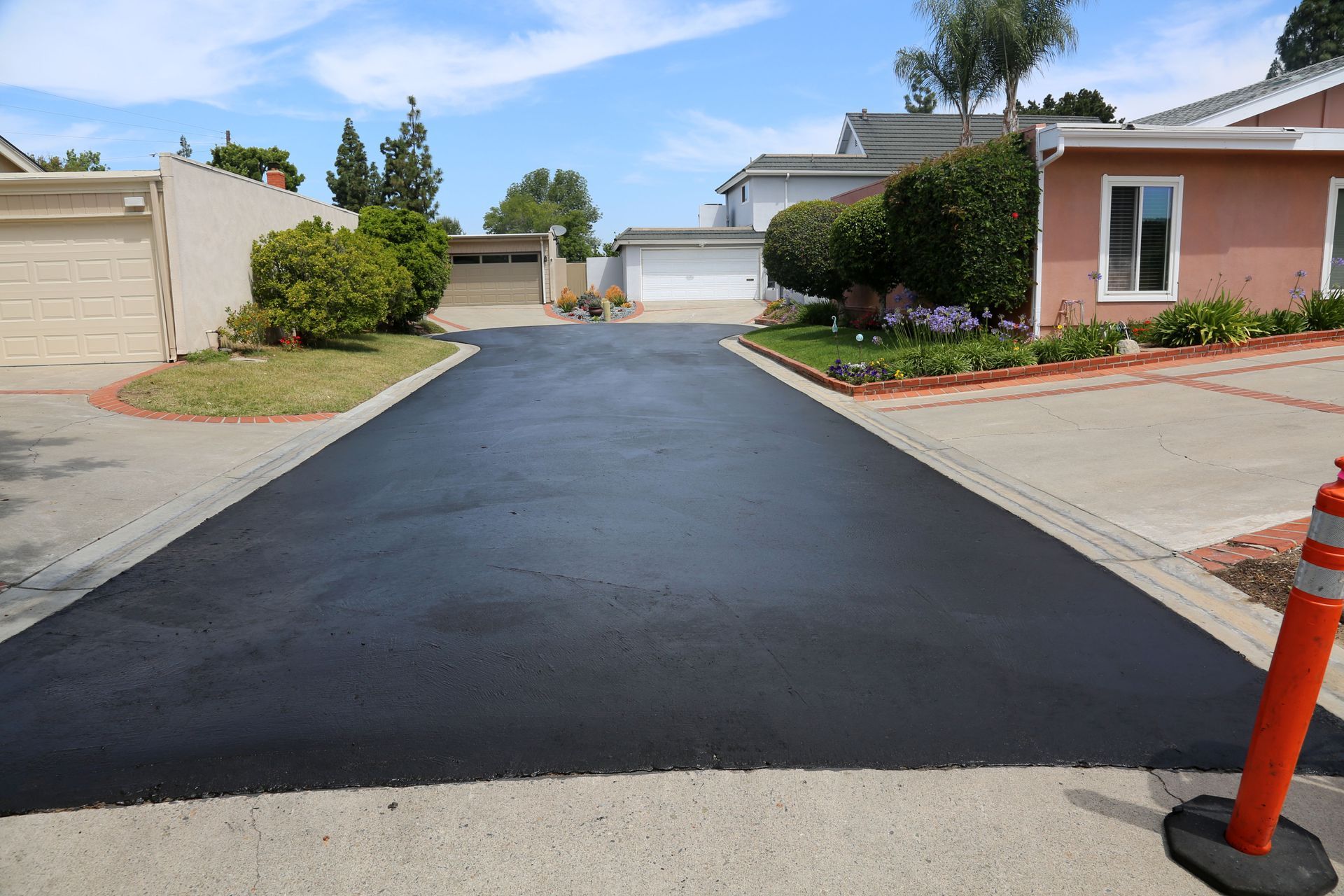
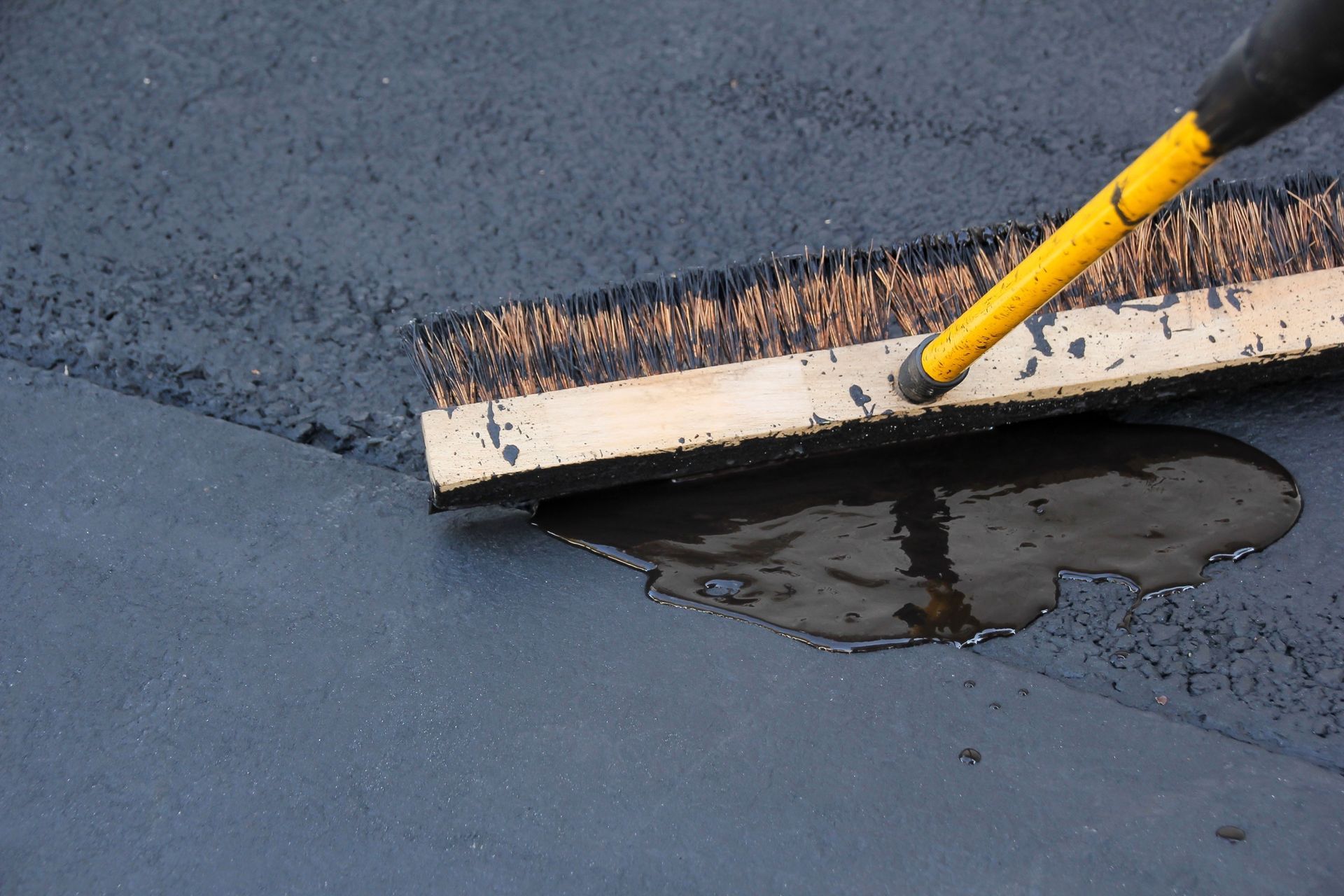
Asphalt resurfacing, often referred to as an asphalt overlay, involves adding a fresh layer of hot-mix asphalt directly over an existing surface. The process begins with cleaning the current surface, filling notable cracks, and applying a liquid asphalt tack coat to bind the old and new layers together. Typically applied at a thickness of 1.5 to 2 inches, this new layer seals the underlying structure from water intrusion and restores a smooth, jet-black appearance. Property owners often select this option because it requires significantly less heavy excavation equipment, consumes fewer raw materials, and reduces total labor hours on the job site.
Recognize When Resurfacing Is the Right Choice
Choosing to resurface is optimal when your pavement exhibits light wear but maintains absolute structural soundness underneath. If your driveway has localized hairline cracks or slight discoloration from sun exposure, a fresh top layer provides a protective shield against the elements. This approach extends the usable life of your installation by 8 to 15 years without forcing you to pay for deep sub-base reconstruction. A reliable paving company will verify that the existing base is completely stable before recommending an overlay, as putting new asphalt over a crumbling foundation leads to reflective cracking and wasted money.
Calculate the Cost Benefits of an Overlay
The immediate financial advantage of an overlay is the main reason property owners prefer it for routine maintenance. Because the existing base material stays in place, you save substantially on demolition, hauling fees, disposal costs, and raw aggregate materials. The speed of the overlay process also minimizes operational downtime for commercial businesses and reduces hassle for residential driveways. These immediate savings allow property managers to allocate capital toward other structural improvements while still maintaining high curb appeal. When executed on a healthy base, an overlay delivers an exceptional return on every dollar invested.
Understand the Limitations of Resurfacing Overlays
While overlays offer immediate savings, applying them to severely damaged asphalt carries significant long-term financial risks. If the underlying soil or aggregate base has shifted, cracked, or sustained water damage, those defects will quickly push up through the new surface. This phenomenon, known as reflective cracking, can cause your new surface to deteriorate in as little as one to two years. Furthermore, you cannot resurface a pavement indefinitely, as raising the surface elevation too high creates severe drainage problems against building foundations and concrete curbs. A professional paving company can determine if your current pavement height allows for an additional layer.
Examine the Complete Asphalt Replacement Process
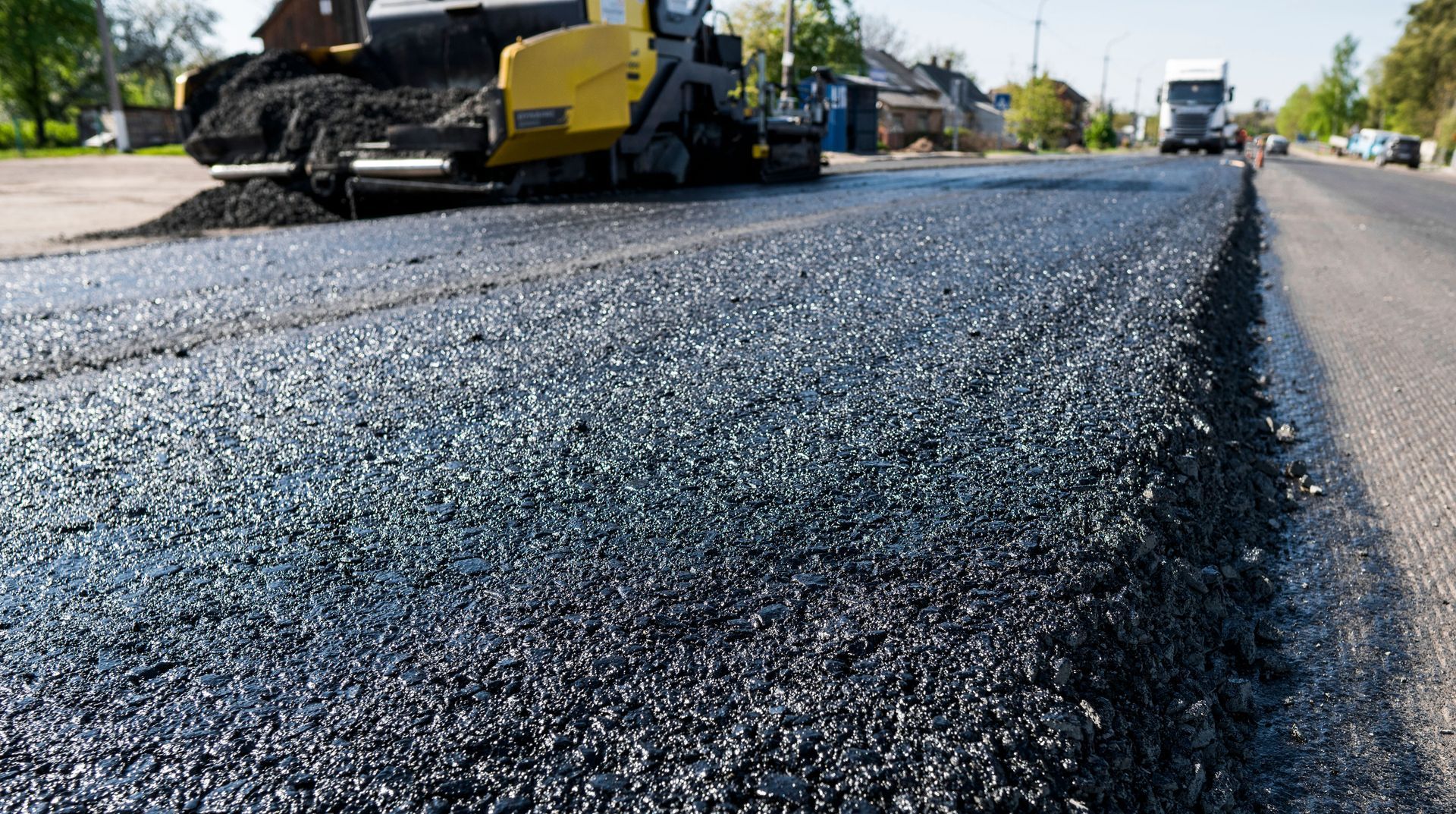
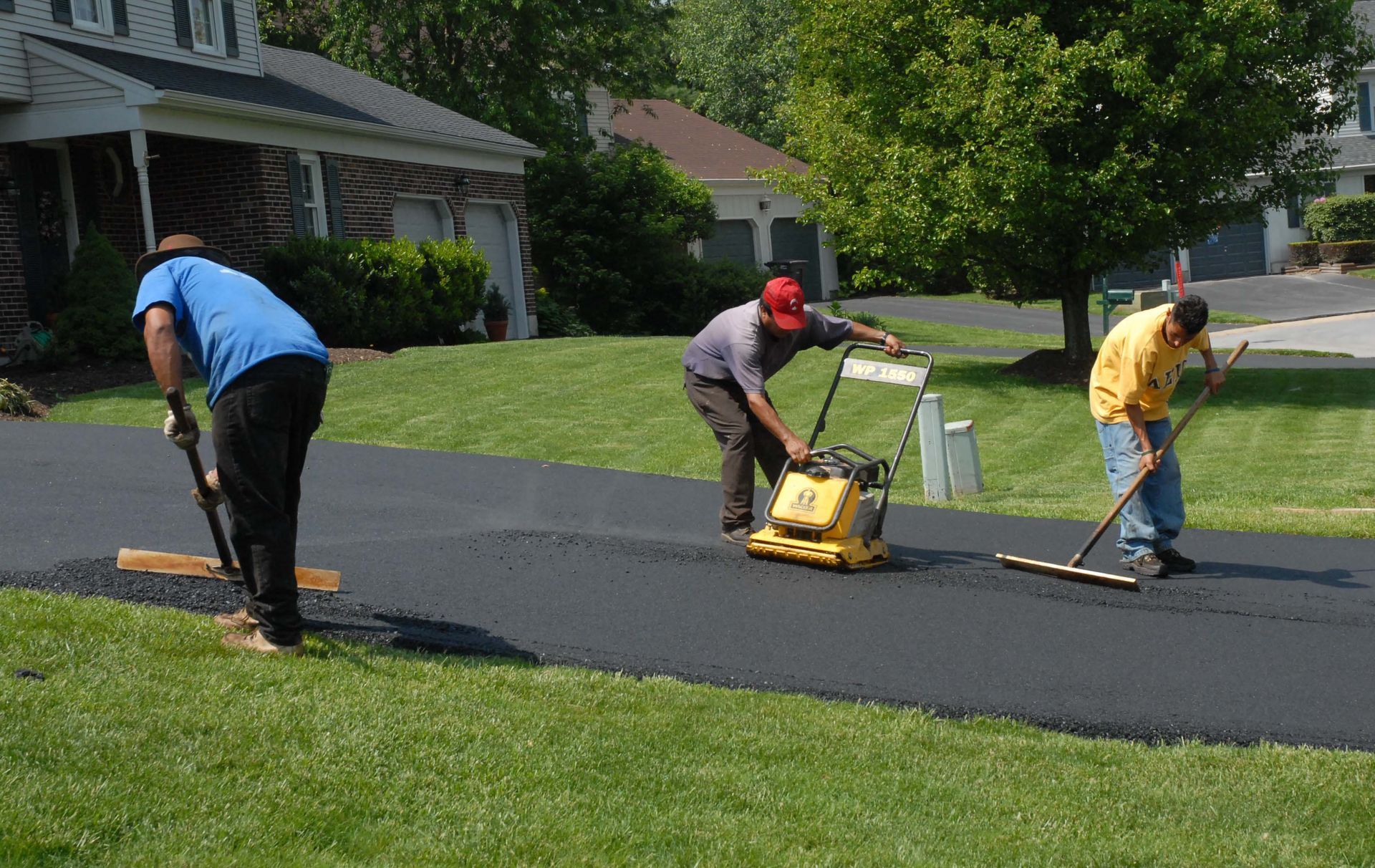
A complete asphalt replacement involves removing all existing asphalt layers down to the bare soil foundation. Heavy machinery excavates the old surface, hauls away the debris, and exposes the underlying sub-base for a thorough structural inspection. Contractors then re-grade the sub-base, compact the soil, add fresh crushed stone aggregate, and roll it to ensure proper drainage slopes and weight load capacity. Once the new base is stabilized, workers lay and compact fresh hot-mix asphalt in multiple heavy-duty lifts. This comprehensive reconstruction creates a completely brand-new pavement structure designed to endure decades of traffic and heavy environmental exposure.
Balance Short-Term Savings Against Long-Term Value
Choosing between an overlay and a complete reconstruction requires balancing your immediate capital budget against long-term maintenance expectations. An overlay offers immediate cosmetic improvement and functional restoration at a fraction of the initial cost, making it ideal for tight budgets when the base is healthy. However, if your sub-base is failing, choosing the cheaper option only delays the inevitable and increases total expenditures over time. Consulting an established paving company helps you calculate the true lifecycle costs of both options, ensuring that you select the strategy that maximizes your investment and protects your property value.
Compare Maintenance Requirements Across Options
The long-term maintenance requirements for resurfaced pavement differ noticeably from a completely reconstructed asphalt structure. An overlay placed over minor flaws still requires regular crack sealing and periodic sealcoating every three to five years to prevent moisture from reaching the original layer underneath. A full replacement provides a completely uniform, resilient barrier that resists oil penetration, water intrusion, and freeze-thaw cracking far more effectively. By selecting a high-grade mix and working with a reputable paving company, property owners reduce overall maintenance interventions, save money on routine service contracts, and enjoy worry-free pavement performance for years to come.
Select a Qualified Contractor for Assessment
The ultimate success of your asphalt project relies heavily on the expertise, equipment, and integrity of your selected asphalt contractor. Experienced technicians perform core sampling, soil compaction tests, and detailed surface inspections to identify sub-surface moisture before recommending a course of action. An honest paving company will never recommend an overlay on a compromised sub-base just to offer a lower quote, as this practice damages client trust when the surface fails prematurely. Partnering with skilled professionals guarantees that your chosen installation or repair method complies with local building codes and industry specifications.
Modern Technology and Sustainable Asphalt Innovations
The asphalt industry continues to evolve through advanced manufacturing techniques, eco-friendly mix formulations, and recycled materials. Modern warm-mix asphalt technologies reduce the energy required during production, releasing fewer emissions while improving hand-workability during installation. Polymer-modified binders enhance elasticity, helping driveways withstand extreme thermal expansion without cracking under load stress. Furthermore, using recycled asphalt pavement reduces material waste in landfills and lowers raw material costs for property owners. Working with a forward-thinking paving company ensures access to high-performance asphalt mixtures that extend pavement longevity and deliver superior resistance against heavy traffic wear.
Evaluating structural damage, pavement age, and long-term repair budgets is the best way to determine whether resurfacing or complete replacement is right for your property. An overlay delivers rapid, cost-effective surface renewal when your sub-base is solid, while a full replacement provides a permanent solution for deeply cracked, unstable pavements. When you are ready to enhance your curb appeal and protect your home investment, reach out to the experienced team at The Driveway Guys for a comprehensive evaluation and professional pavement installation tailored to your budget.