May 6, 2026
When asphalt begins to show signs of wear, the first step in any repair process is a thorough evaluation. Experienced paving companies know that every surface tells a story — cracks, potholes, and discoloration all point to underlying issues that must be addressed correctly. Rather than jumping straight into repairs, professionals take time to inspect the condition of the pavement, identify the root causes of damage, and determine the most effective solution.
This assessment often includes checking drainage patterns, examining the sub-base, and evaluating how traffic and weather have impacted the surface. Without this foundational step, repairs may only provide temporary results. By prioritizing careful analysis, paving companies ensure that each repair strategy is tailored to the specific needs of the asphalt, ultimately extending its lifespan and performance.
Identifying the Types of Asphalt Damage
Not all asphalt damage is the same, and recognizing the differences is key to applying the right repair method. Common issues include surface cracks, alligator cracking, potholes, and rutting. Each type of damage requires a different approach, and experienced paving companies are trained to distinguish between cosmetic problems and structural concerns.
For instance, small cracks may seem minor but can allow water to seep beneath the surface, leading to more serious deterioration over time. On the other hand, potholes often indicate deeper structural issues that require more extensive repair. By identifying the type and severity of the damage, paving companies can recommend solutions that address both immediate concerns and long-term durability.
Preparing the Surface for Effective Repairs
Preparation plays a crucial role in the success of any asphalt repair. Before new materials are applied, the damaged area must be cleaned and cleared of debris, dirt, and loose asphalt. This step ensures proper adhesion and prevents future issues.
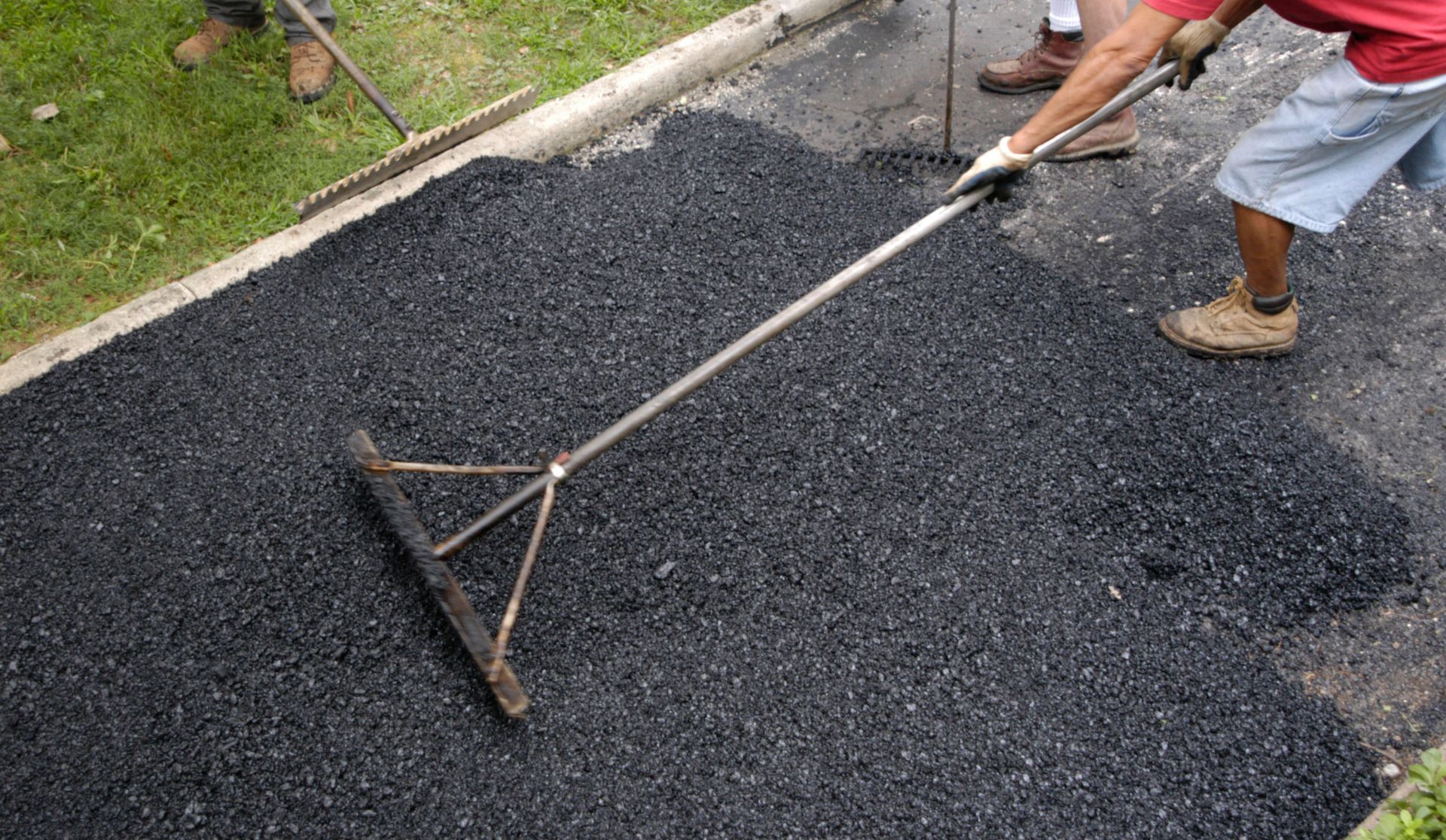
In many cases, preparation also involves removing compromised sections of asphalt to create a stable base for repairs. This process may include cutting out damaged areas and compacting the underlying layers. Paving companies understand that skipping or rushing this step can lead to premature failure, so they take the time to do it right. Proper preparation not only improves the quality of the repair but also helps maintain the overall integrity of the pavement. It sets the stage for a smoother, more durable finish that can withstand daily use and environmental stress.
Applying the Appropriate Repair Techniques
Once the surface is properly prepared, the next step is selecting and applying the correct repair method. There are several techniques used in asphalt repair, and the choice depends on the type and extent of the damage.
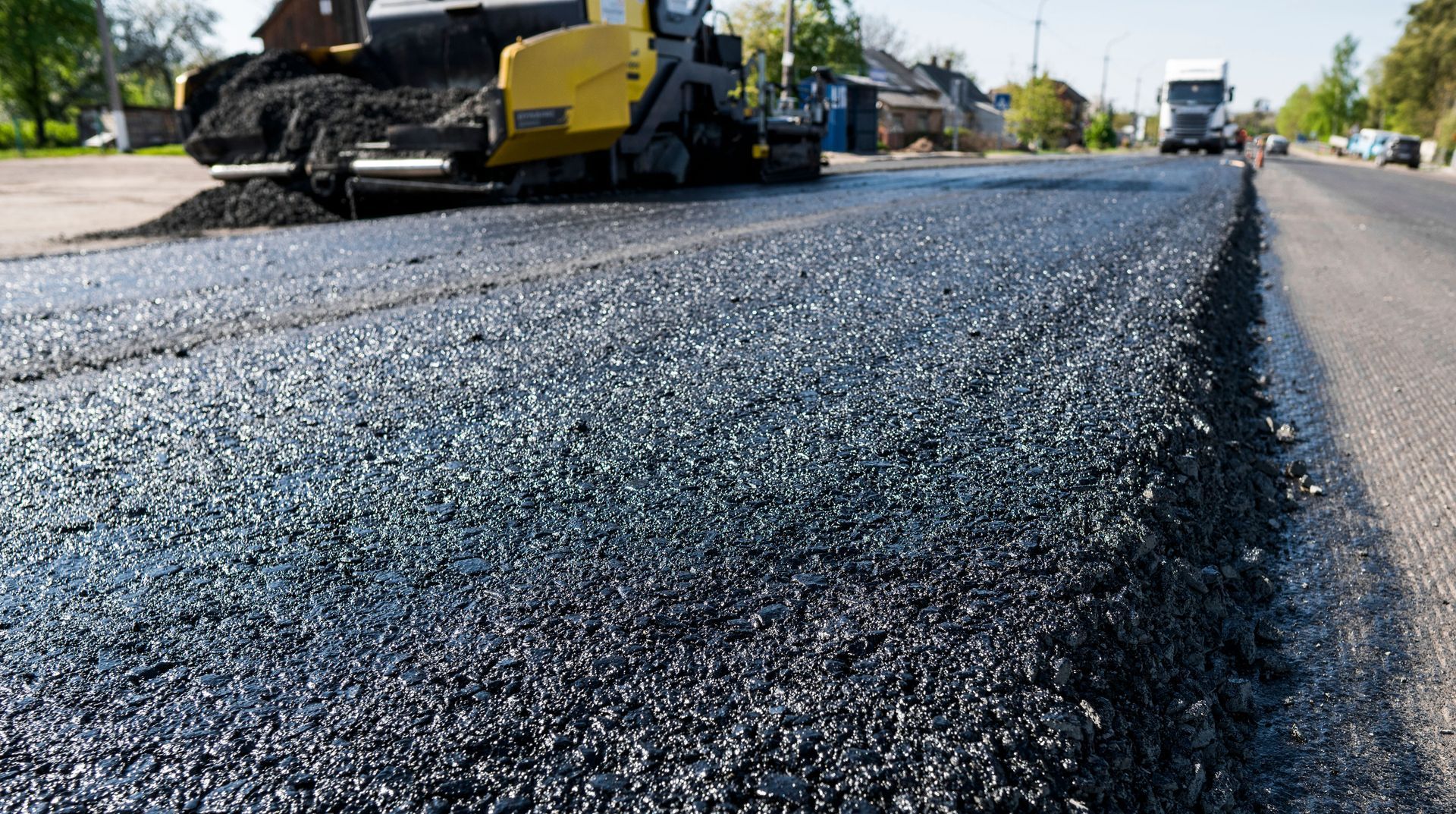
Crack filling is commonly used for minor surface cracks, preventing water infiltration and slowing further deterioration. For more severe damage, patching may be necessary to restore the structural integrity of the pavement. In some cases, resurfacing or overlays are applied to refresh the entire surface and improve its appearance. Skilled paving companies rely on industry knowledge and experience to determine which method will deliver the best results. They also use specialized equipment to ensure precise application and proper compaction, which are essential for long-lasting repairs.
Ensuring Proper Compaction and Finishing
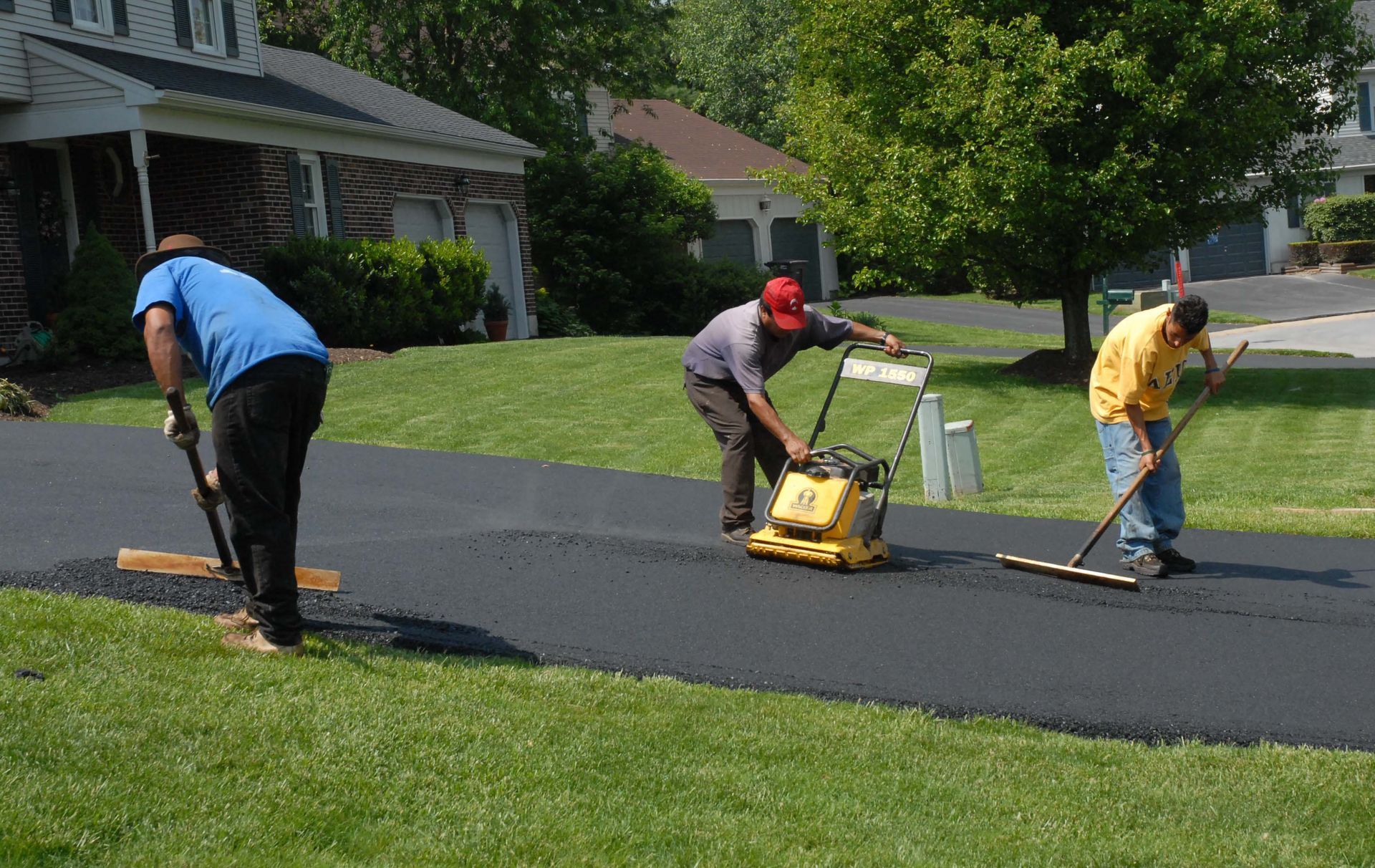
Compaction is a critical step in the asphalt repair process that directly impacts the durability and performance of the finished surface. After new asphalt is applied, it must be compacted to eliminate air pockets and create a dense, stable layer.
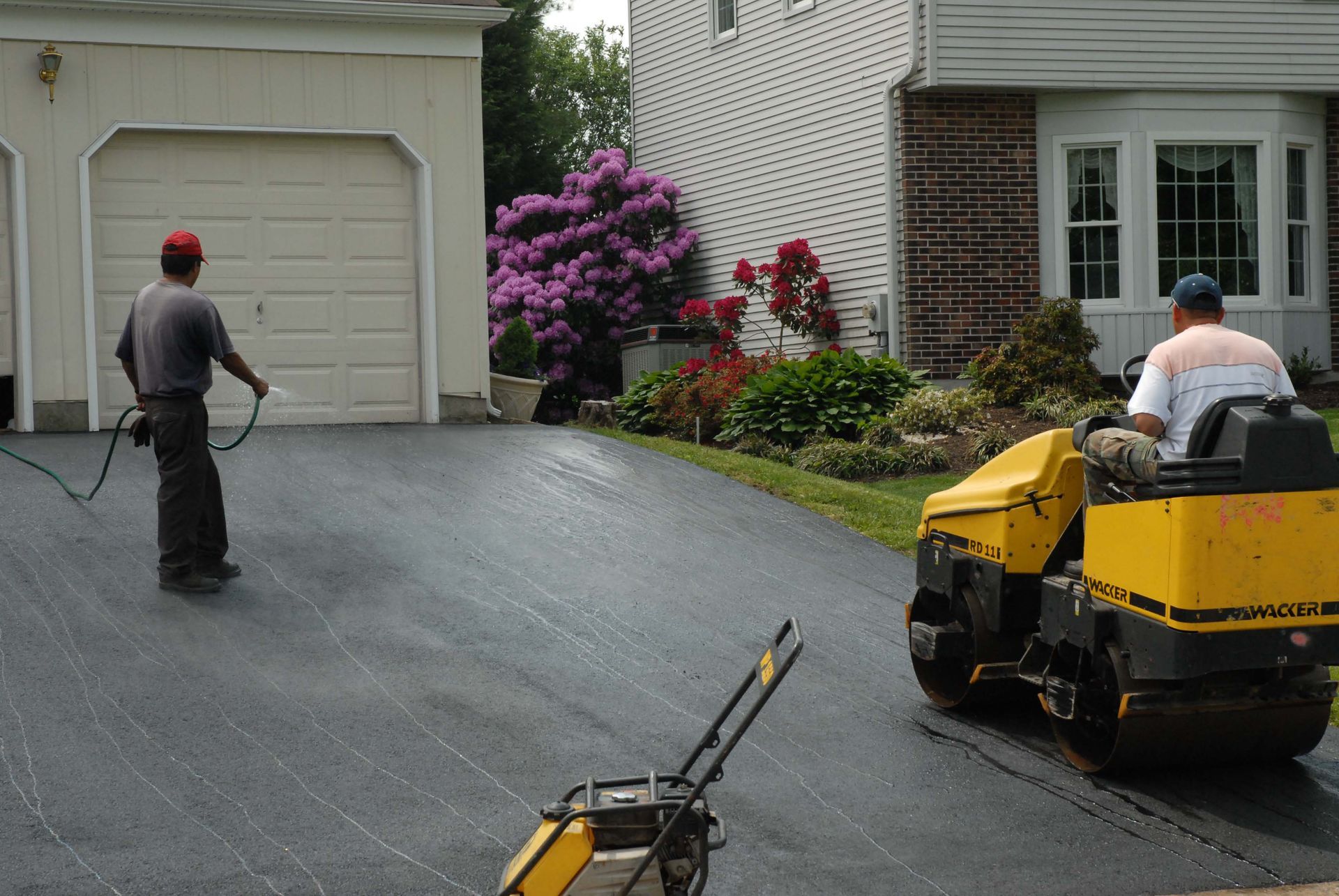
Without proper compaction, the repaired area may become weak and susceptible to further damage. This is why paving companies use heavy rollers and other equipment to achieve the correct level of density. The goal is to create a seamless repair that blends with the existing pavement and provides a smooth, even surface. Finishing touches, such as smoothing edges and ensuring proper grading, also contribute to the overall quality of the repair. These details may seem minor, but they play a significant role in both functionality and appearance.
Addressing Drainage and Water Management
Water is one of the most damaging elements for asphalt surfaces. Poor drainage can lead to standing water, which seeps into the pavement and weakens its structure. Over time, this can result in cracks, potholes, and other forms of deterioration.
As part of the repair process, paving companies often evaluate and improve drainage systems to prevent future issues. This may involve adjusting the slope of the pavement, installing drainage channels, or addressing underlying grading problems. By managing water effectively, paving companies help protect the repaired surface and reduce the likelihood of recurring damage. This proactive approach not only enhances the longevity of the asphalt but also minimizes maintenance costs over time.
Incorporating Preventative Maintenance Strategies
Repairing asphalt is only part of the equation — preventative maintenance is essential for keeping surfaces in good condition. Many paving companies emphasize the importance of regular maintenance to extend the life of asphalt and avoid costly repairs.
Sealcoating is a common preventative measure that protects the surface from UV rays, water, and chemicals. Routine inspections and timely crack sealing can also prevent minor issues from becoming major problems. By incorporating maintenance strategies into their services, paving companies provide long-term value to property owners. This approach ensures that asphalt surfaces remain durable, safe, and visually appealing for years to come.
Using Industry Knowledge and Proven Practices
The asphalt industry is backed by extensive research and established best practices. For example, according to the National Asphalt Pavement Association, a significant majority of runways within the Federal Aviation Administration’s national airport system — roughly four out of five — are constructed using asphalt pavement. This widespread use highlights the material’s reliability, durability, and ability to withstand heavy loads.
Paving companies draw on this knowledge to inform their repair methods and material choices. By following proven practices and staying updated on industry advancements, they ensure that each project meets high standards of quality and performance. This commitment to excellence is what sets professional paving companies apart. It allows them to deliver repairs that not only address current issues but also stand the test of time.
Delivering Long-Lasting Results Through Expertise
Experience and attention to detail are key factors in achieving successful asphalt repairs. From the initial assessment to the final finishing touches, every step requires precision and expertise. Paving companies bring a combination of technical knowledge, skilled labor, and specialized equipment to each project.
Their ability to handle a wide range of repair scenarios ensures that no issue is too complex. Whether dealing with minor cracks or extensive damage, paving companies have the tools and experience needed to restore asphalt surfaces effectively. This level of professionalism results in repairs that are not only durable but also visually seamless. Property owners can feel confident knowing that their pavement is in capable hands.
Asphalt repairs are an essential part of maintaining safe and functional surfaces. By understanding how the process works and the importance of each step, property owners can make informed decisions about their pavement needs. From assessment and preparation to repair and maintenance, paving companies play a vital role in preserving the integrity of asphalt surfaces. Their expertise ensures that repairs are done correctly, providing lasting results and peace of mind.
If your pavement is showing signs of wear or damage, now is the time to take action. Contact The Driveway Guys today to get a free estimate and discover how our team can restore and protect your asphalt surfaces with reliable, high-quality solutions.