May 8, 2026
Choosing the right paving material plays a major role in how a project performs and looks over time. Whether the job involves a residential driveway or a large commercial surface, the decision between blacktop and asphalt affects durability, maintenance, and long-term value. A paving company must evaluate each project carefully to match the material with the intended use, environmental conditions, and client expectations. This decision is not just about appearance; it directly impacts how well the surface holds up under traffic, weather, and daily wear.
A well-informed paving company can guide clients through these choices by explaining how each material behaves and where it performs best. Blacktop and asphalt may seem similar at a glance, but their differences matter in practical applications. By understanding these distinctions, property owners can feel more confident in their investment and avoid unnecessary repairs or replacements later. This guide explores those differences in detail to support better decision-making.
Exploring the Composition and Structure
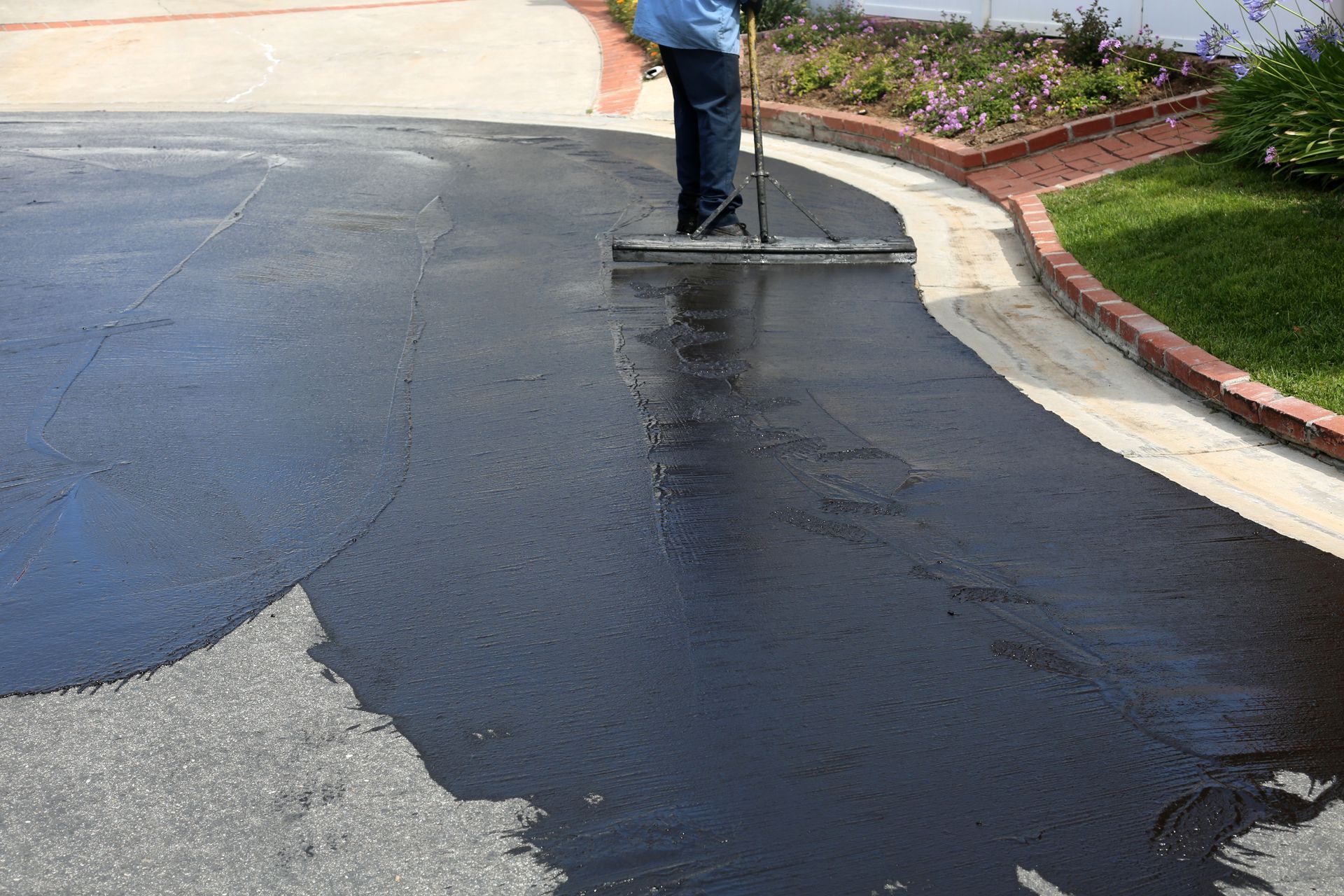
Blacktop is a specific type of asphalt that features a higher concentration of stone aggregate and is typically mixed at higher temperatures. This composition gives it a smoother, darker finish that many homeowners prefer for driveways and small surfaces. A paving company often recommends blacktop for projects where visual appeal and a refined finish are important considerations. Its smooth texture also contributes to a quieter driving experience, which can be appealing in residential settings.
Another defining characteristic of blacktop is its flexibility. This material can adjust slightly to minor ground movement without cracking as quickly as more rigid surfaces. That flexibility makes it useful in regions with mild seasonal changes, where expansion and contraction are less extreme. For a paving company working in suburban or residential environments, blacktop often becomes a practical and visually pleasing option.
However, blacktop is not designed for heavy-duty use. While it performs well for light traffic areas, it may not withstand the repeated stress of large vehicles or constant use. A paving company must communicate these limitations clearly so clients understand when blacktop is appropriate and when a stronger alternative may be necessary.
Examining the Performance and Durability
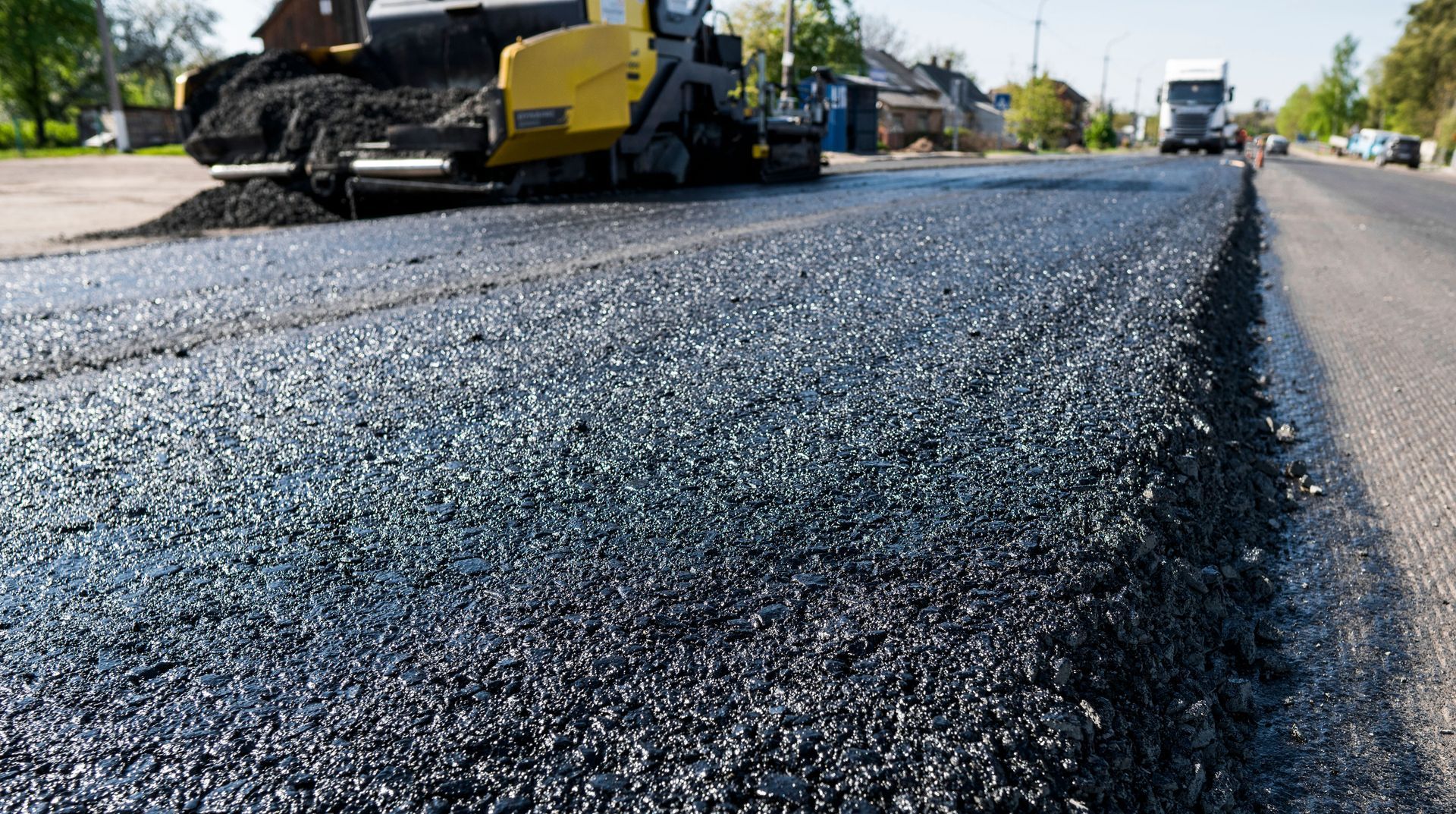
Asphalt is widely known for its strength and ability to handle demanding conditions. It consists of aggregates bound together with bitumen, creating a dense and durable surface capable of supporting heavy loads. For highways, commercial lots, and industrial areas, a paving company typically selects asphalt due to its long-lasting performance. Its ability to resist wear and deformation makes it suitable for high-traffic environments.
The durability of asphalt also extends to weather resistance. It can tolerate both hot summers and cold winters without significant structural damage when installed correctly. This resilience allows a paving company to use asphalt in a wide range of climates without compromising performance. Over time, asphalt surfaces maintain their integrity with proper maintenance, making them a dependable choice for long-term projects.
Comparing Installation Requirements and Conditions
The installation process for both blacktop and asphalt requires careful timing and proper environmental conditions. Temperature plays a key role in how well the material sets and performs. According to This Old House, paving needs temperatures above 50 degrees Fahrenheit in order to properly seal. This requirement affects scheduling and may limit when a paving company can complete certain projects. Planning around seasonal weather patterns becomes essential to achieving a durable result.
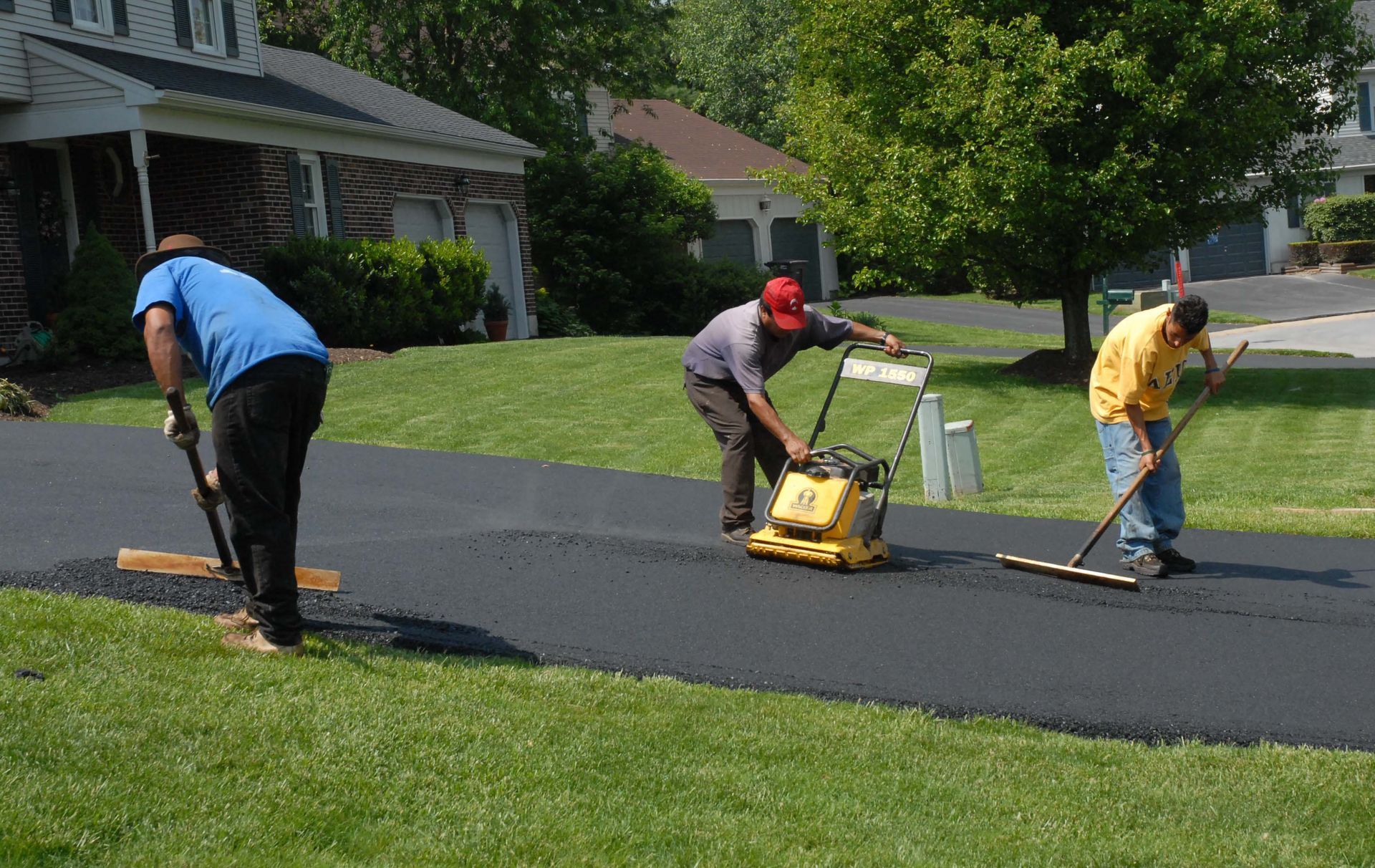
Blacktop typically requires slightly higher mixing temperatures during production, which contributes to its smooth finish. This can make installation more sensitive to timing and handling. A paving company must coordinate logistics efficiently to maintain the material's quality from mixing to application. Proper compaction and finishing techniques are also critical to achieving the desired look and performance.
Asphalt installation, while also temperature-dependent, tends to be more forgiving in large-scale applications. Its density and composition allow it to settle into a stable surface with fewer aesthetic concerns. For a paving company managing larger or more complex projects, asphalt provides a more consistent outcome when handled correctly.
Evaluating Cost Factors and Long-Term Value
Cost is often one of the first considerations for clients when choosing between blacktop and asphalt. Blacktop generally offers a lower upfront price, making it appealing for smaller projects or budget-conscious property owners. A paving company may recommend it when immediate affordability is a priority, and the expected traffic load is relatively light.
However, long-term value tells a more complete story. Blacktop surfaces may require more frequent maintenance, including sealing and resurfacing. Over time, these additional costs can add up, potentially exceeding the initial savings. A paving company should help clients understand how these ongoing expenses factor into the overall investment.
Assessing Climate Impact and Environmental Considerations
Climate plays a significant role in how paving materials perform. Blacktop tends to soften in high heat and may become less stable under intense sunlight. In colder regions, it can also be more susceptible to cracking if not properly maintained. A paving company must evaluate local weather patterns before recommending blacktop for a project.
Asphalt, on the other hand, performs well across a broader range of temperatures. Its composition allows it to resist both heat-related softening and cold-induced cracking more effectively. This makes it a versatile choice for regions with seasonal extremes. A paving company often favors asphalt in areas where weather conditions vary significantly throughout the year.
Matching Material Choices to Project Types
Different projects call for different materials, and selecting the right one requires a clear understanding of the intended use. Blacktop is well-suited for residential driveways, walking paths, and low-traffic areas. Its smooth finish enhances curb appeal, making it a popular choice for homeowners. A paving company may recommend blacktop when aesthetics and comfort are key priorities.
Asphalt is better suited for heavy-duty applications such as roads, parking lots, and industrial spaces. Its ability to withstand constant use and heavy loads makes it the preferred option for these environments. A paving company handling commercial or municipal projects will often turn to asphalt for its reliability and performance.
Guiding Clients Through Decision-Making
Client preferences play a major role in the final decision. Some prioritize appearance, while others focus on durability or cost. A paving company must take the time to understand these priorities and explain how each material aligns with them. Clear communication helps clients make informed choices that suit their needs and expectations.
Budget discussions are also important. A paving company should present both short-term and long-term cost perspectives so clients can evaluate their options realistically. This transparency builds confidence and supports better financial planning.
Choosing between blacktop and asphalt involves more than a simple preference; it requires a thorough understanding of performance, cost, climate, and project goals. Each material offers distinct advantages, and the right choice depends on how those advantages align with the intended use. A paving company plays a critical role in guiding this decision, providing insights that help clients select the most suitable option for their needs.
By evaluating factors such as durability, installation conditions, and long-term value, a
paving company can recommend solutions that balance function and appearance effectively. As materials and techniques continue to evolve, staying informed allows professionals to deliver results that meet modern expectations. If you are planning a paving project, take the time to consult with a knowledgeable paving company like The Driveway Guys to explore your options and move forward with confidence.