March 5, 2026
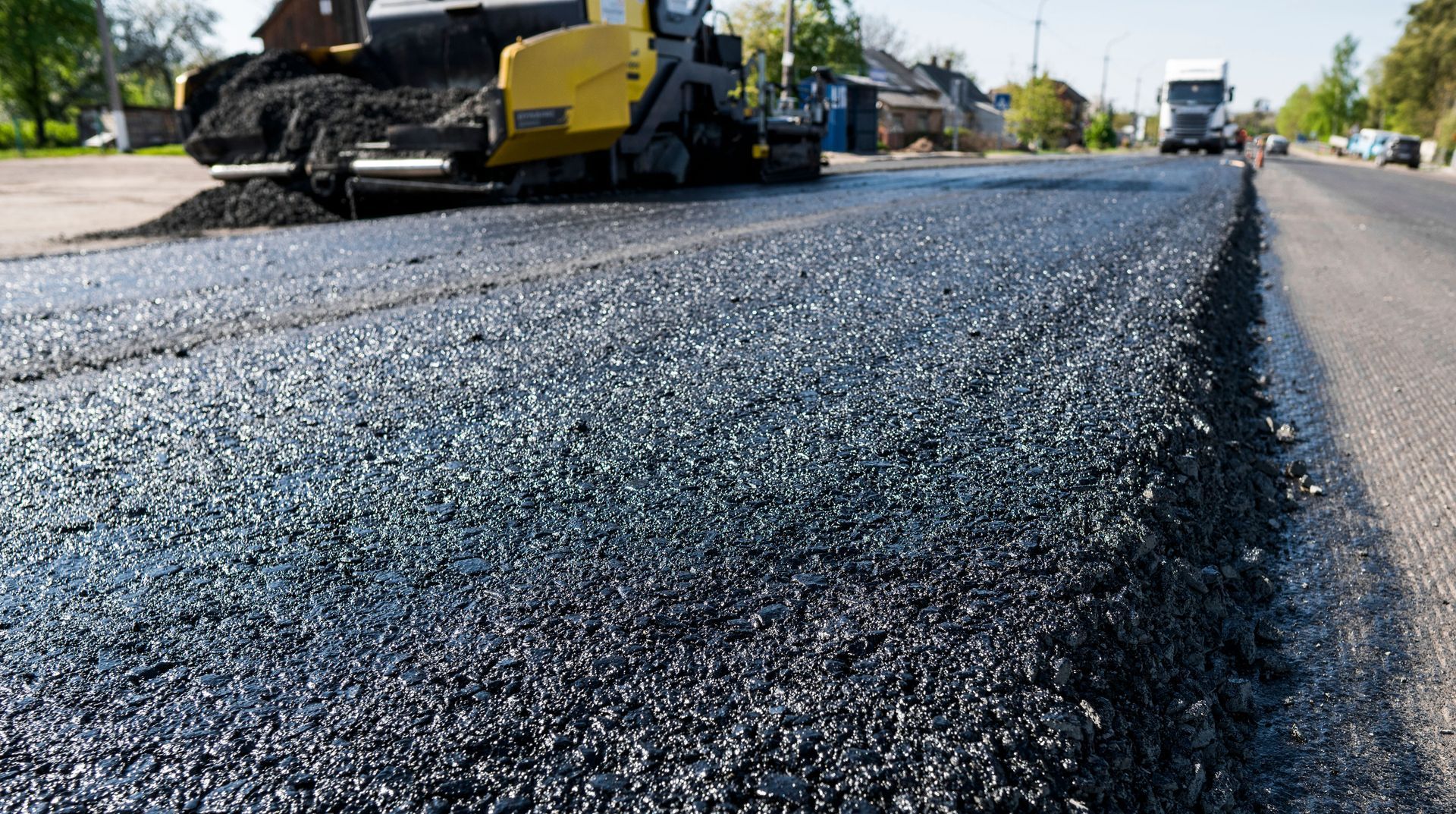
Asphalt paving remains a cornerstone of modern infrastructure, playing an essential role in the development of highways, municipal roads, commercial parking lots, and residential driveways. Whether for public works or private property improvements, asphalt continues to be one of the most trusted paving materials available today. When evaluating paving options, the choice of material influences project cost, long-term durability, maintenance expectations, environmental impact, and overall property value. Working with a professional paving company helps maximize these benefits by ensuring proper grading, compaction, drainage planning, and finishing.
From cost savings and durability to environmental responsibility and safety enhancements, asphalt offers a wide range of advantages. Its adaptability makes it suitable for both small residential applications and large-scale commercial developments. Understanding the full scope of asphalt’s strengths allows property owners, developers, and municipalities to make informed decisions that balance performance and budget considerations. Below are the most compelling reasons asphalt continues to lead the paving industry.
1. Cost-Effectiveness of Asphalt Paving
A. Initial Installation Savings
One of the primary reasons property owners choose asphalt is its affordability compared to alternative paving materials. Asphalt requires fewer raw materials and less intensive labor than concrete, resulting in lower upfront costs. A reputable paving company can complete asphalt installation efficiently, minimizing equipment time and labor hours. This streamlined process reduces overall project expenses without compromising structural integrity.
Additionally, asphalt cures much faster than concrete. In many cases, surfaces can be used within 24 to 48 hours of installation. This rapid turnaround is especially beneficial for commercial properties that cannot afford extended closures. Faster project completion translates into reduced downtime and minimized business disruption.
B. Long-Term Financial Benefits
Beyond the initial savings, asphalt delivers impressive long-term value. Its flexible composition allows it to withstand traffic loads and environmental stress without significant cracking. According to This Old House, asphalt paving can last 15 to 20 years with regular sealing. With proper care from a qualified paving company, that lifespan can be extended even further.
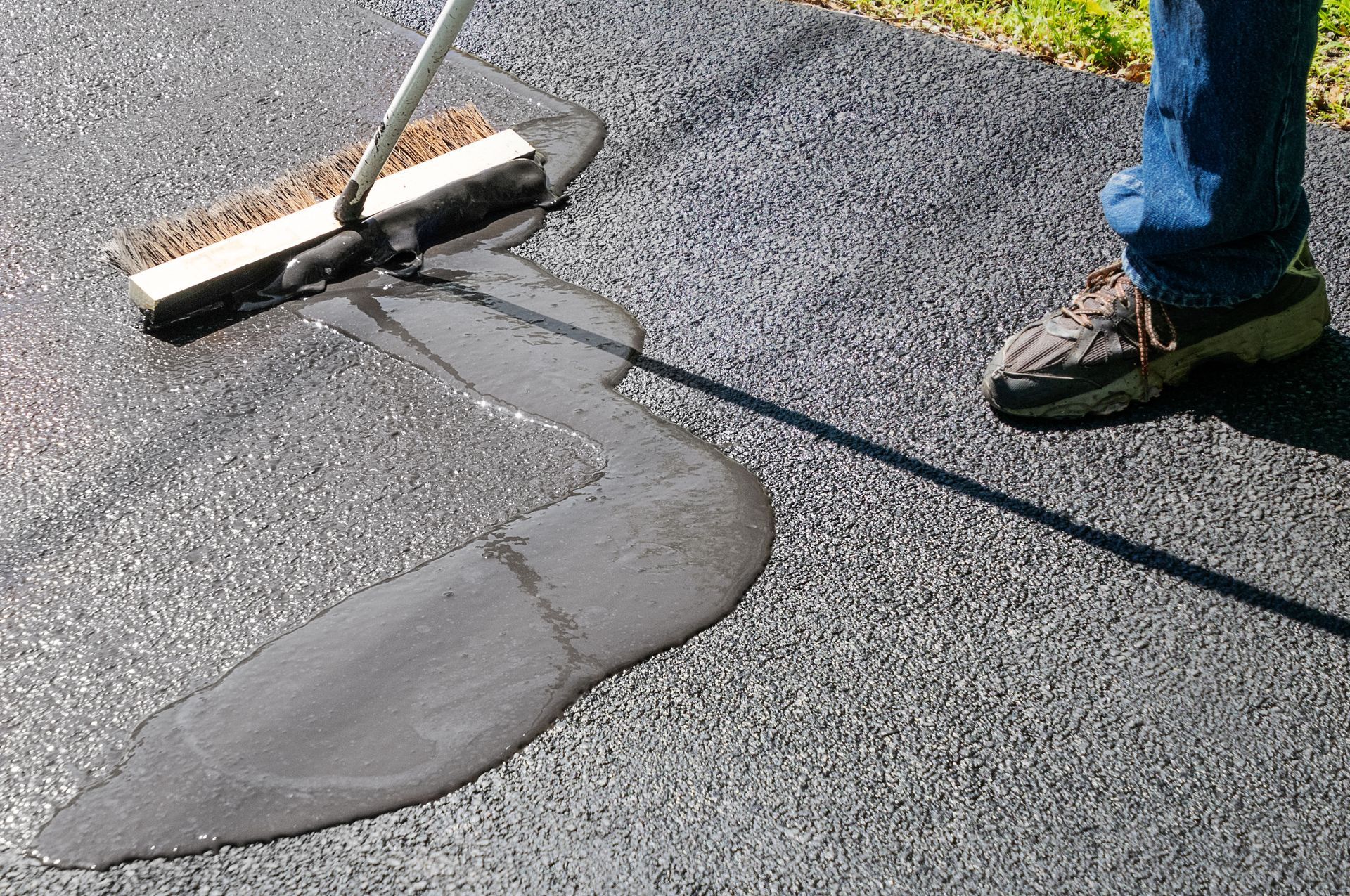
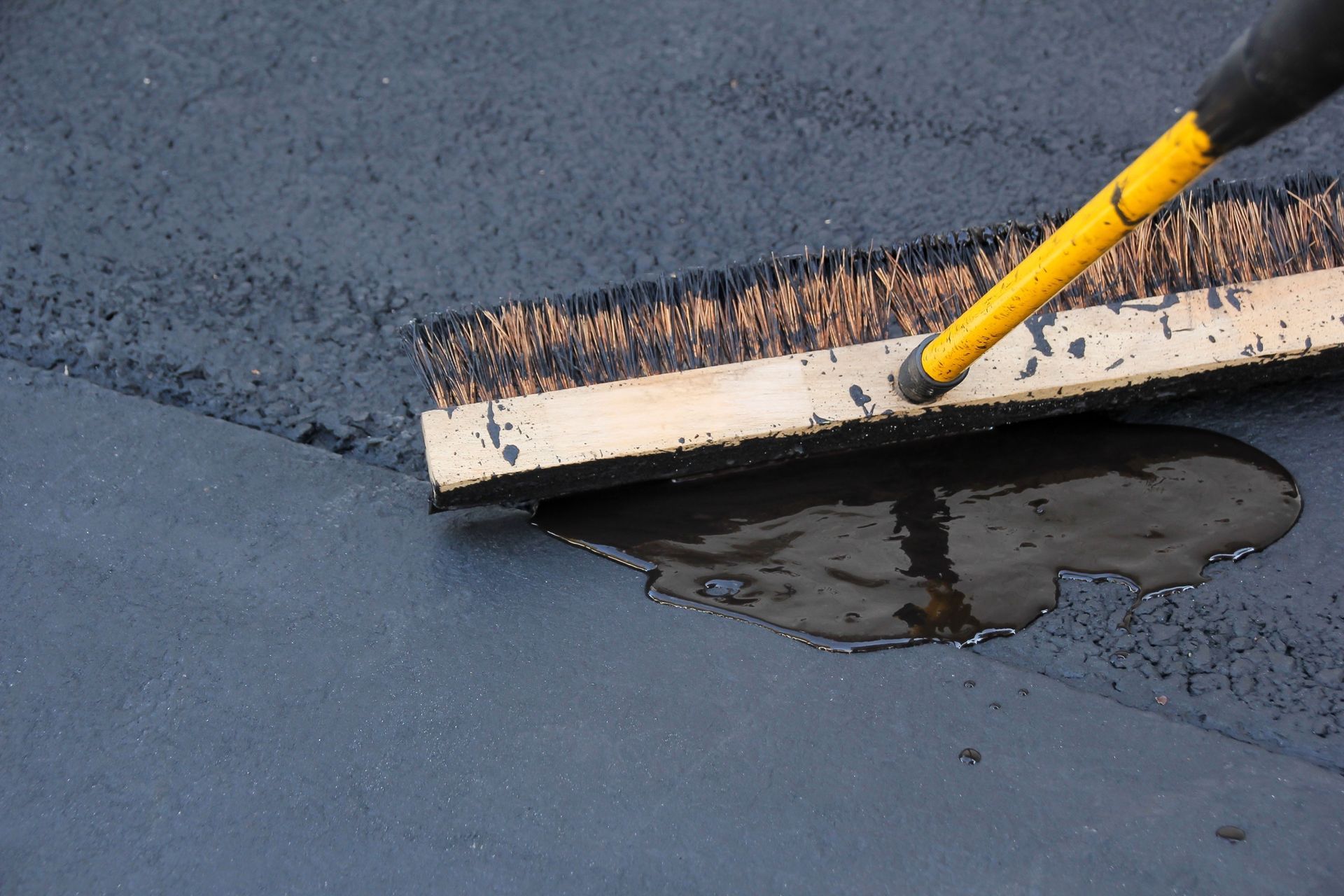
Routine maintenance such as sealcoating and crack filling helps preserve the surface and prevent costly structural damage. Because these services are relatively affordable, property owners can protect their investment without major financial strain. Over time, the balance between performance and maintenance cost makes asphalt an economically sound decision.
C. Energy Efficiency in Production
Asphalt production requires lower temperatures compared to many competing materials, making it more energy-efficient to manufacture. Many paving company operations now utilize warm-mix asphalt technologies that reduce fuel consumption and emissions during production. This efficiency contributes not only to environmental responsibility but also to cost savings.
Furthermore, asphalt is often produced using locally sourced aggregates. Reduced transportation distances lower fuel use and support regional supply chains. These combined factors make asphalt a practical option for projects aiming to balance performance with sustainability goals.
D. Predictable Maintenance Costs
Maintenance planning is straightforward with asphalt surfaces. A professional paving company can establish a scheduled maintenance plan that includes inspections, sealcoating, and minor repairs. These predictable service intervals allow property owners to budget accurately and avoid unexpected large-scale repairs.
Preventative maintenance reduces the risk of water infiltration, base failure, and pothole formation. Addressing small issues early preserves the structural integrity of the pavement and significantly extends its service life. This proactive approach keeps costs stable and manageable.
E. Resale Value Considerations
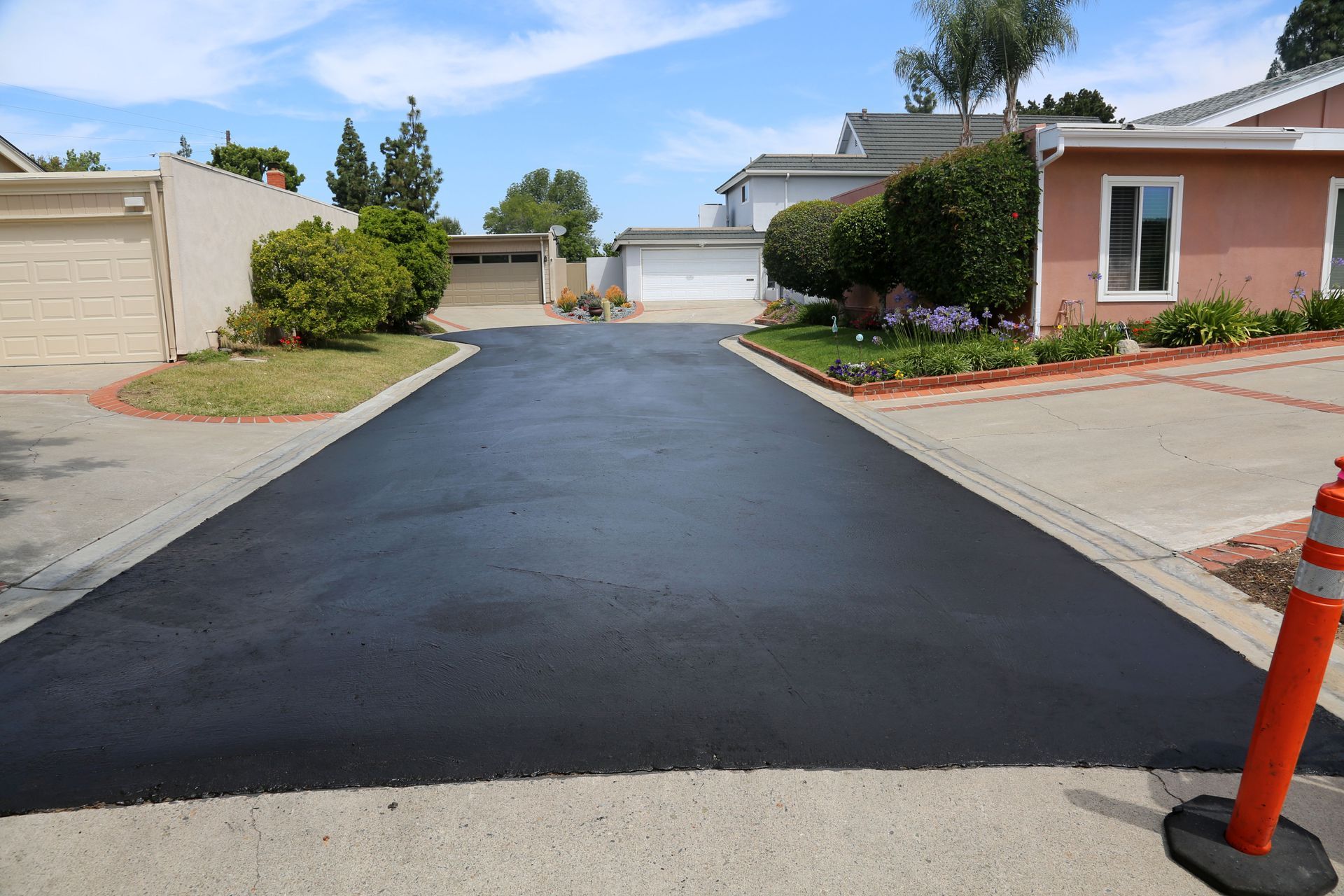
A smooth, well-maintained asphalt driveway or parking lot enhances a property’s curb appeal and marketability. Buyers often associate fresh paving with responsible property management. A professional paving company installation reflects quality workmanship and attention to detail.
In commercial settings, updated asphalt surfaces create a positive impression for clients and visitors. For residential properties, a newly paved driveway can increase perceived value and attract prospective buyers. Asphalt contributes both functional and aesthetic advantages that support resale potential.
2. Durability and Longevity
A. Resistance to Wear and Tear
Asphalt’s flexibility allows it to absorb heavy loads and repeated traffic without fracturing. This resilience is especially valuable in high-traffic areas such as commercial parking lots and municipal roads. A knowledgeable paving company prepares the sub-base carefully to reinforce this durability.
Because asphalt distributes weight evenly, it resists surface deformation under pressure. This reduces the likelihood of cracks and structural breakdown, ensuring long-term reliability even under demanding conditions.
B. Adaptation to Temperature Changes
Temperature fluctuations can cause expansion and contraction in paving materials. Asphalt’s flexible properties allow it to adapt to these changes without significant cracking. A skilled paving company accounts for local climate conditions when designing pavement thickness and composition.
This adaptability makes asphalt suitable for regions that experience freeze-thaw cycles, heavy rainfall, or extreme summer heat. Proper installation techniques further enhance performance in variable climates.
C. Lifespan Expectations
When installed correctly and maintained consistently, asphalt offers impressive longevity. Its structural composition allows for surface milling and resurfacing rather than full replacement when wear eventually occurs. A reliable paving company can restore aging pavement efficiently through overlay techniques.
These rehabilitation methods extend usability while controlling costs. Instead of removing the entire surface, resurfacing rejuvenates the top layer, preserving the underlying structure and maximizing long-term value.
D. Surface Repair and Rehabilitation
Asphalt repairs are typically quick and efficient. Cracks can be sealed promptly, and potholes can be patched with minimal disruption. A responsive paving company can complete these repairs rapidly, keeping roads and parking areas functional.
Because repairs bond effectively with existing asphalt, the finished surface maintains a cohesive appearance. This seamless integration supports both safety and aesthetics.
E. Performance with Heavy Loads
Industrial facilities and commercial developments often require pavement capable of supporting heavy vehicles. Asphalt performs well under substantial loads due to its engineered aggregate structure. A professional paving company designs pavement thickness to accommodate expected traffic volumes.
Proper compaction and base preparation ensure structural stability. This strength makes asphalt suitable for warehouses, distribution centers, and high-use drive lanes.
3. Environmental Benefits
A. Recyclability of Asphalt
Asphalt is one of the most recycled materials in the United States. Reclaimed asphalt pavement can be reused in new projects, reducing the demand for virgin materials. Many paving company operations incorporate recycled content into fresh mixes.
This recycling process conserves resources, minimizes landfill waste, and lowers production costs. Asphalt’s closed-loop lifecycle supports sustainable infrastructure practices.
B. Low Emissions After Installation
After installation, asphalt surfaces produce minimal emissions. Warm-mix production techniques further reduce environmental impact. A modern paving company equipped with updated technology can significantly limit emissions during placement.
These environmentally responsible practices align with evolving regulatory standards and community sustainability goals.
C. Porous Options for Drainage
Porous asphalt alternatives improve stormwater management by allowing water to pass through the surface into underlying layers. This reduces runoff and supports groundwater recharge. A paving company experienced in permeable systems can design effective drainage solutions.
Improved drainage helps prevent flooding and erosion, contributing to healthier urban environments.
D. Heat Absorption Innovations
New asphalt technologies incorporate lighter aggregates and reflective properties to reduce heat absorption. These advancements help mitigate urban heat island effects. A forward-thinking paving company can recommend materials that balance performance and environmental considerations.
Reducing surface temperatures contributes to improved comfort and environmental sustainability.
E. Sustainable Production Practices
The asphalt industry continues advancing sustainable production methods. Energy-efficient plants and recycled materials reduce carbon footprints. Many paving company providers prioritize environmentally responsible sourcing and manufacturing processes.
These improvements maintain high-quality standards while addressing environmental concerns.
Asphalt paving continues to stand out as a cost-effective, durable, environmentally responsible, and visually appealing solution for a wide range of infrastructure needs. Its adaptability, ease of maintenance, and long-term financial benefits make it a practical choice for property owners and developers alike. When installed and maintained by an experienced paving company, asphalt delivers reliable performance, enhanced safety, and lasting value. For projects both large and small, asphalt remains a trusted and intelligent paving investment. Contact The Driveway Guys today to learn more.