September 3, 2026
Asphalt remains one of the most widely used paving materials for residential driveways, commercial parking lots, and municipal roadways across the globe. Renowned for its smooth surface, flexibility, and cost-effectiveness, an asphalt surface represents a significant capital investment for any property owner. However, like any exterior construction material subjected to constant vehicle weight, severe temperature swings, and chemical exposure, asphalt degrades over time. Understanding the distinct stages of the pavement life cycle empowers property owners to take proactive steps rather than reactive measures. Partnering with a professional paving service at key intervals ensures that your pavement transitions smoothly from initial installation to long-term performance without suffering premature structural failure.
Understanding the Installation and Curing Phase
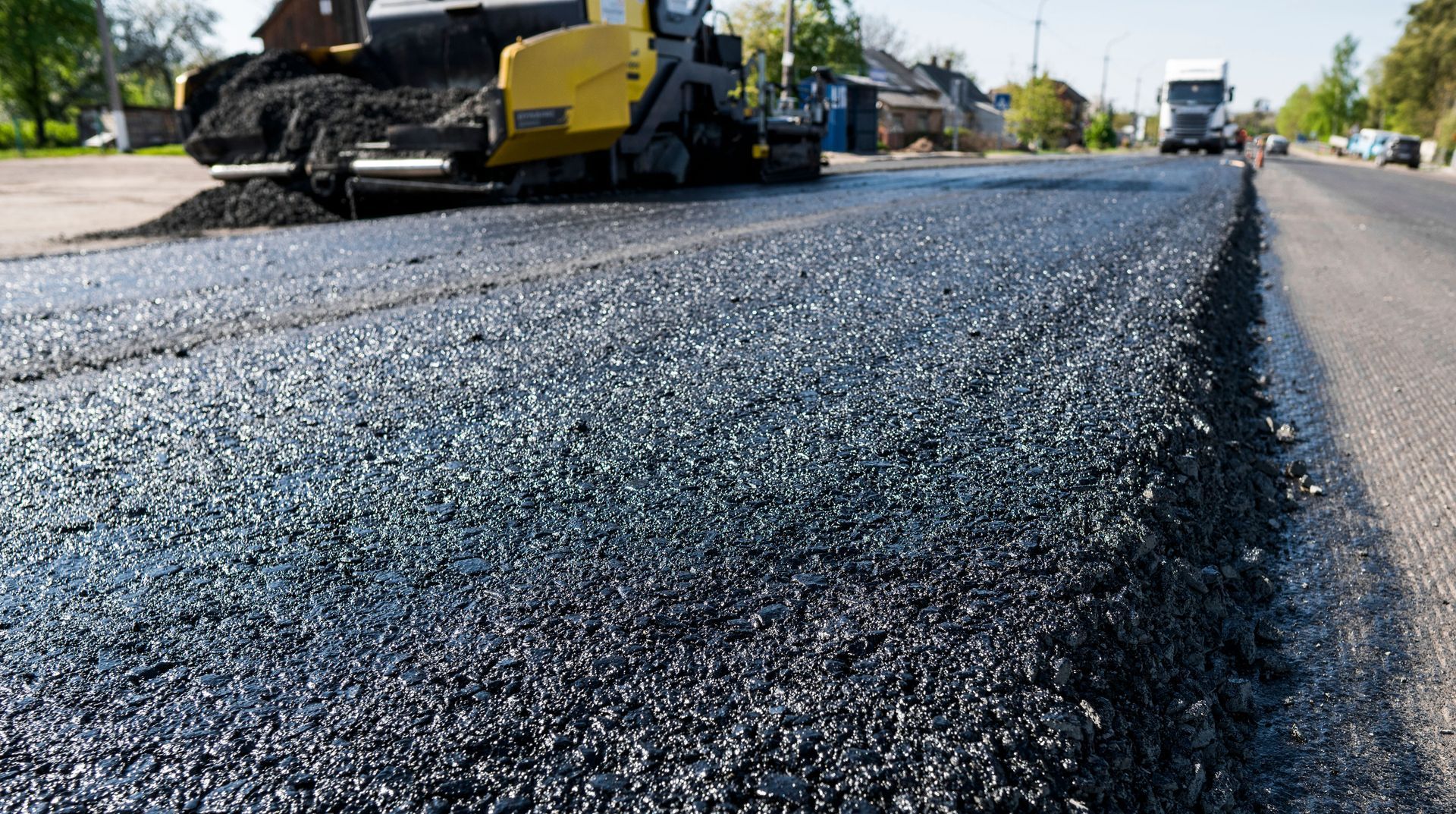
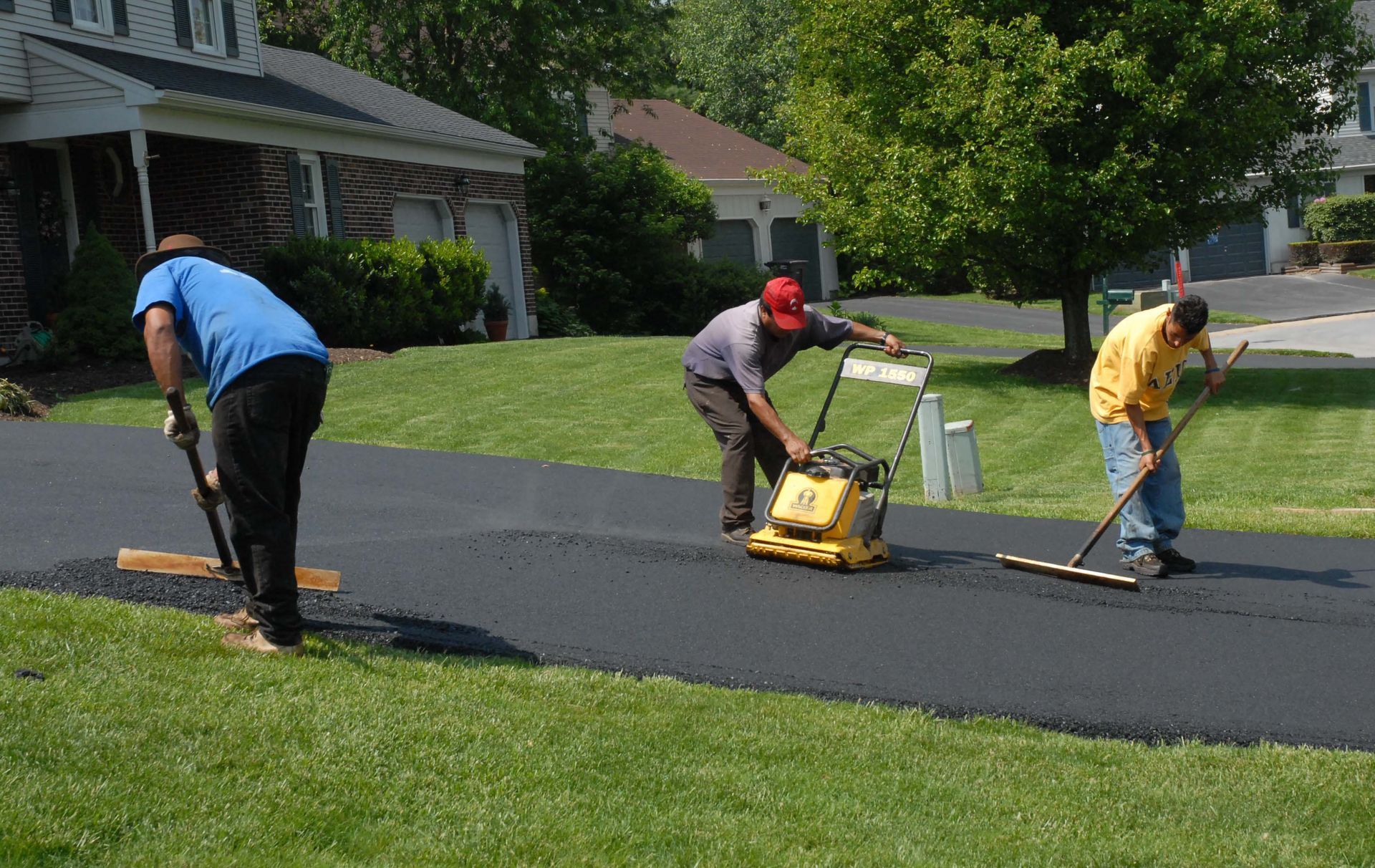
The life cycle of asphalt begins with proper foundation design, precise site excavation, and high-temperature material application. Freshly laid asphalt consists of a carefully engineered aggregate mixture bound together by liquid asphalt cement, applied at high temperatures and compacted into a seamless mat. During the first few months following installation, the fresh binder undergoes a critical curing phase where volatile oils evaporate, allowing the surface to harden fully. Engaging a reputable paving service during this initial installation guarantees that the underlying sub-base is properly graded and compacted, providing essential structural support. According to Bob Vila, a well-maintained asphalt driveway typically lasts between 20 and 30 years. Achieving this impressive longevity depends almost entirely on the quality of early structural installation and care during the initial curing window. Avoiding heavy commercial vehicles on fresh asphalt during this delicate window prevents early rutting and tire imprints.
Identifying Early Surface Wear and Environmental Deterioration
As pavement matures through its first few years of exposure, natural environmental factors begin to break down the chemical bonds within the binder. Ultraviolet rays from sun exposure oxidize the liquid asphalt, causing the original rich black color to gradually fade into a dull, chalky gray. This oxidation process renders the pavement increasingly brittle, making it less resilient under vehicle tire traffic. Simultaneously, rain, melted snow, and automotive fluid leaks penetrate surface micro-cracks, accelerating internal degradation. Hiring a licensed paving service to conduct regular surface evaluations during these early years helps detect minor surface oxidation before deeper moisture damage occurs. Catching these early signs of environmental wear protects the underlying aggregate and preserves essential pavement flexibility.
Implementing Timely Sealcoating and Preventative Maintenance
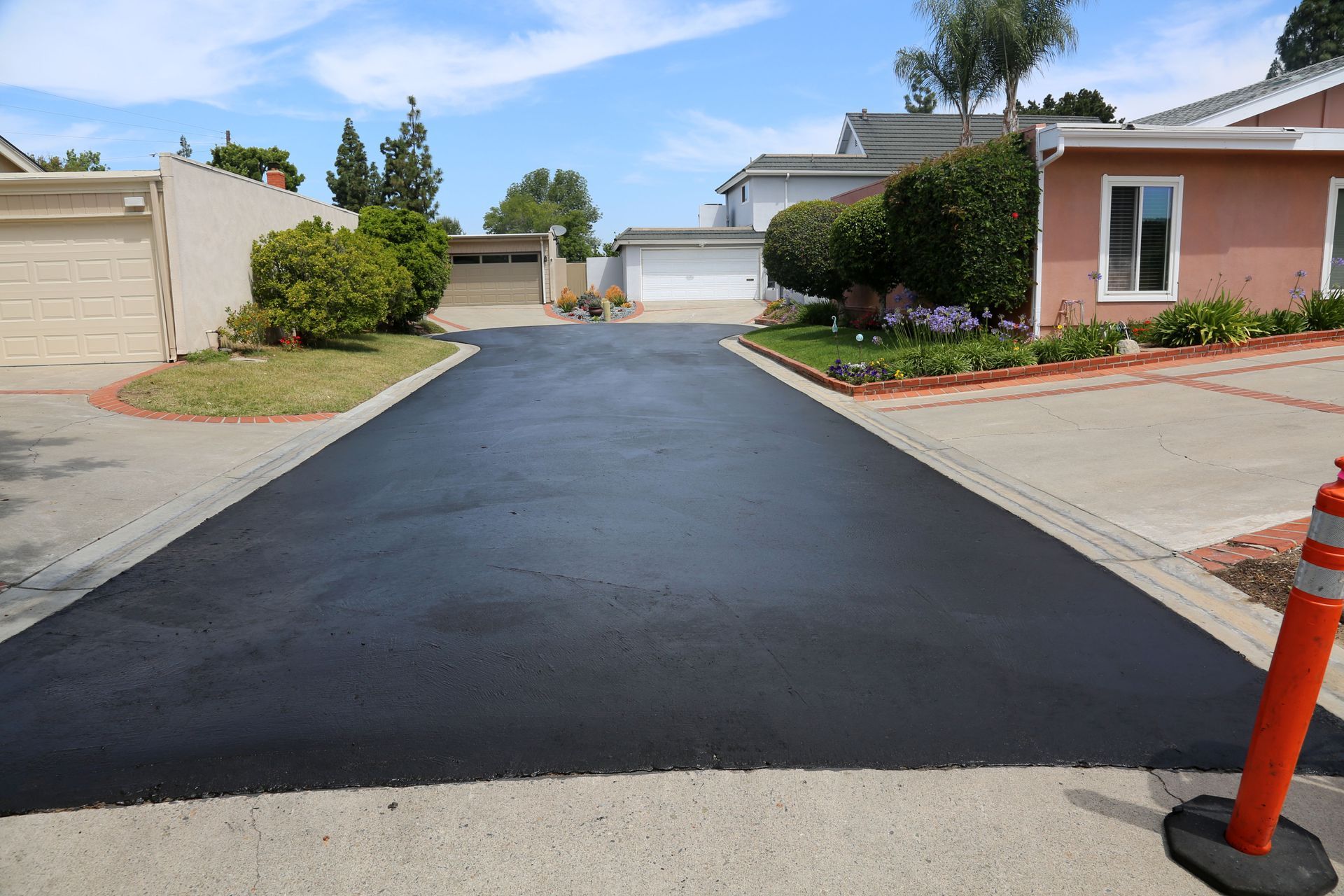
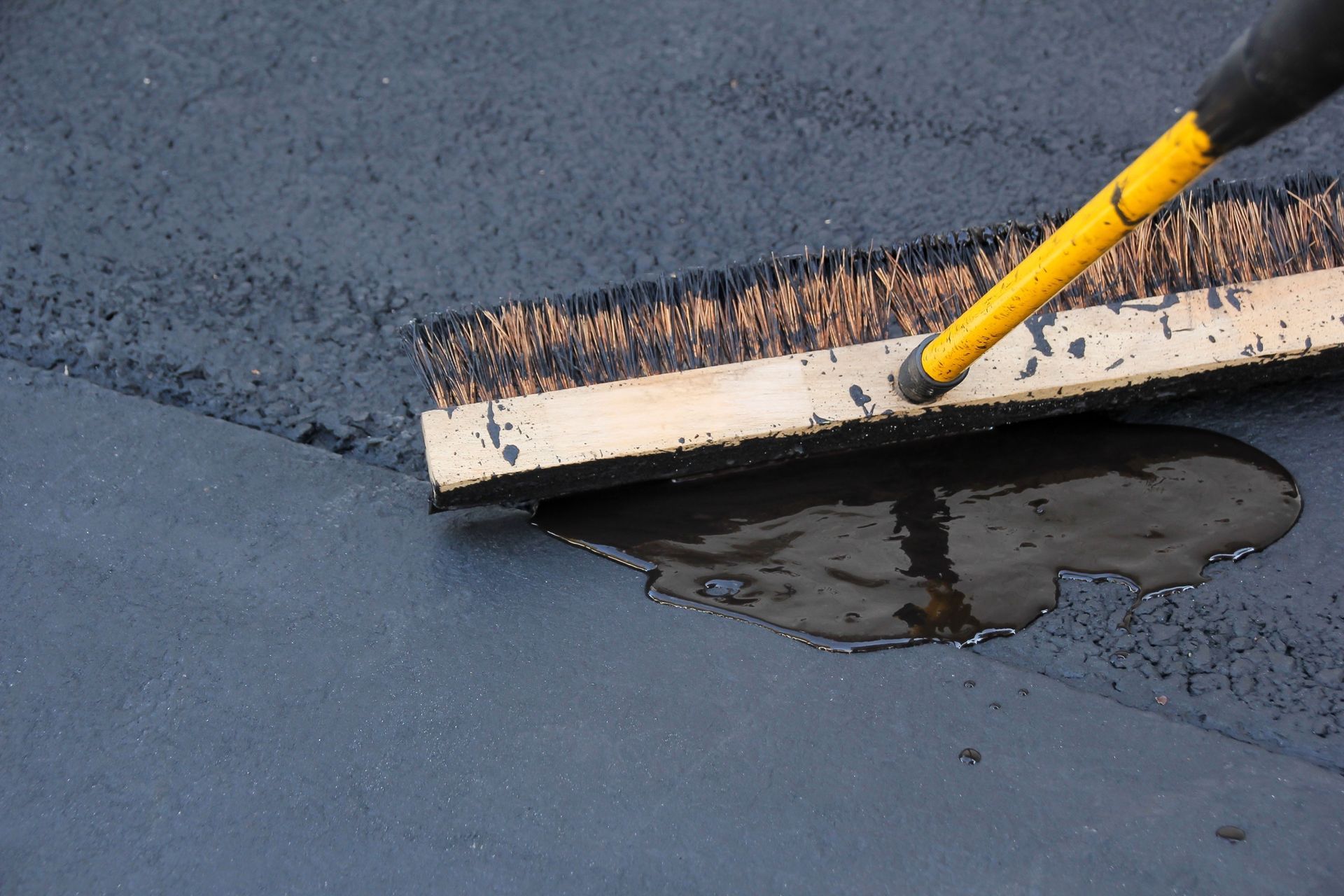
Preventative care is the most effective strategy for halting surface oxidation and blocking water penetration. Sealcoating acts as a protective shield, locking in necessary flexibility oils while blocking water, petroleum spills, and harsh sun rays. Property owners should schedule their first sealcoat application roughly twelve to eighteen months after initial installation, repeating the process every two to three years depending on climate and traffic volume. Consulting an experienced paving service ensures that sealcoating materials are applied evenly over properly cleaned and prepared surfaces. Timely sealcoat applications prevent micro-fissures from expanding into major structural cracks, drastically reducing lifetime repair expenses and extending the functional service lifespan of the pavement. A fresh coat of commercial sealant also restores that clean, jet-black finish that dramatically improves overall curb appeal.
Addressing Cracks and Preventing Water Infiltration
Cracking is an inevitable part of the pavement life cycle, triggered by freeze-thaw cycles, heavy traffic loads, and soil settlement. When water seeps through hairline cracks into the sub-base, winter freezing causes the trapped water to expand, pushing the pavement upward and destroying structural stability. When warm weather returns, the melted ice leaves hollow voids underneath, leading to severe surface collapse and dangerous potholes. Enlisting a qualified paving service to perform routine hot-rubber crack sealing creates a watertight barrier that stops moisture from reaching the sub-base. Promptly filling cracks larger than a quarter-inch prevents minor surface defects from escalating into extensive structural failures that require complete excavation. Addressing these minor fissures before winter weather arrives is essential to preventing severe frost-heave damage.
Executing Structural Repairs and Surface Overlays
When asphalt reaches the midpoint of its expected service life, surface wear and localized cracking may exceed what routine maintenance can fix. In these situations, property owners do not necessarily need to perform a full tear-out and replacement. Asphalt resurfacing, or mill-and-overlay, involves removing the damaged top layer of old asphalt and laying a fresh layer of hot-mix asphalt directly over the sound existing sub-base. Contracting a professional paving service for a precision overlay restores structural integrity, eliminates surface roughness, and provides a brand-new appearance at a fraction of full replacement costs. Overlays essentially reset the pavement life cycle clock, adding a decade or more of high-performance service life to the existing foundation.
Managing Advanced Degradation and Full Reconstruction
Eventually, every asphalt surface reaches the natural end of its functional life cycle due to structural sub-base failure or extreme age. When widespread alligator cracking, deep rutting, and persistent potholes cover the majority of the surface, preventative maintenance measures are no longer cost-effective. At this advanced stage, water penetration has compromised the underlying base material, rendering surface repairs temporary at best. Working with a full-service paving service allows property owners to execute a complete reconstruction project, removing all degraded asphalt and rebuilding the aggregate sub-base from the ground up. Full replacement establishes a new structural foundation, launching a brand-new life cycle that will serve the property reliably for decades to come.
Establishing a Proactive Management Strategy
Maximizing the return on your asphalt investment requires shifting from reactive repairs to a structured, long-term maintenance schedule. Waiting for visible potholes or severe structural failures to develop always results in higher overall repair costs and shorter pavement lifespans. By combining proper site drainage, routine surface cleaning, timely sealcoating, and immediate crack filling, property owners maintain both functional safety and high visual appeal. Partnering with a reliable paving service gives you access to professional diagnostic tools, high-grade materials, and expert craftsmanship across every phase of the pavement journey. Taking proactive care of your asphalt preserves your property's value, ensures driver safety, and delivers maximum longevity for years to come. Keeping meticulous records of past maintenance applications helps you anticipate when future resurfacing treatments will be required.
Evaluating Drainage Management and Environmental Protection
Proper water management is an essential element that significantly dictates the speed at which asphalt ages over time. Standing water on pavement surfaces accelerates structural decay by weakening the top binder layer and soaking into the underlying soil base. Installing proper drainage channels, catch basins, and subtle surface slopes allows stormwater to run off efficiently before causing moisture damage. Addressing pooling water promptly ensures that internal aggregate layers remain dry and fully supportive under heavy vehicular loads. Integrating sound drainage solutions alongside routine maintenance shields your property investment from unforeseen weather hazards and extends overall surface reliability. Regulating water runoff also prevents oil and chemical residues from sitting on the pavement surface and breaking down the asphalt binders.
Understanding the life cycle of asphalt empowers homeowners and commercial property managers to make cost-effective decisions at every stage of pavement ownership. From initial installation and preventative sealcoating to timely overlays and full replacements, proactive care transforms an easily degraded material into a durable, multi-decade asset. Investing in routine maintenance protects your curb appeal, ensures driver safety, and saves thousands of dollars in emergency repair expenses over time. To protect your investment and extend the lifespan of your pavement, contact The Driveway Guys today to schedule your comprehensive paving estimate and expert maintenance service.