July 16, 2026
Taking care of an asphalt surface is about more than keeping it looking nice. Whether it is a residential driveway, a commercial parking lot, or a private road, every paved surface experiences wear from weather, traffic, and everyday use. As small cracks or rough spots begin to appear, many property owners wonder whether a simple repair is enough or if a complete replacement is the better investment.
Understanding the difference between asphalt pavement repair and replacement can help you make a more informed decision before problems become more expensive. While every situation is unique, knowing what each option involves makes it easier to protect your investment and extend the life of your pavement. Working with an experienced paving contractor can also provide valuable guidance based on the condition of your surface and your long-term goals.
Understanding the Signs of Pavement Damage
Not every crack or pothole means your pavement has reached the end of its life. Asphalt naturally expands and contracts as temperatures change, and years of vehicle traffic slowly wear down the surface. Minor damage is common and can often be corrected before it spreads into larger structural issues.
Some warning signs deserve closer attention than others. Surface cracks, isolated potholes, small areas of crumbling pavement, or faded sealcoating may indicate that repairs are appropriate. However, if damage covers a large portion of the pavement or the surface feels uneven and unstable, a more thorough evaluation is usually necessary. A qualified paving contractor can inspect both the visible damage and the condition beneath the surface to determine the most practical solution.
Comparing the Benefits of Asphalt Repair
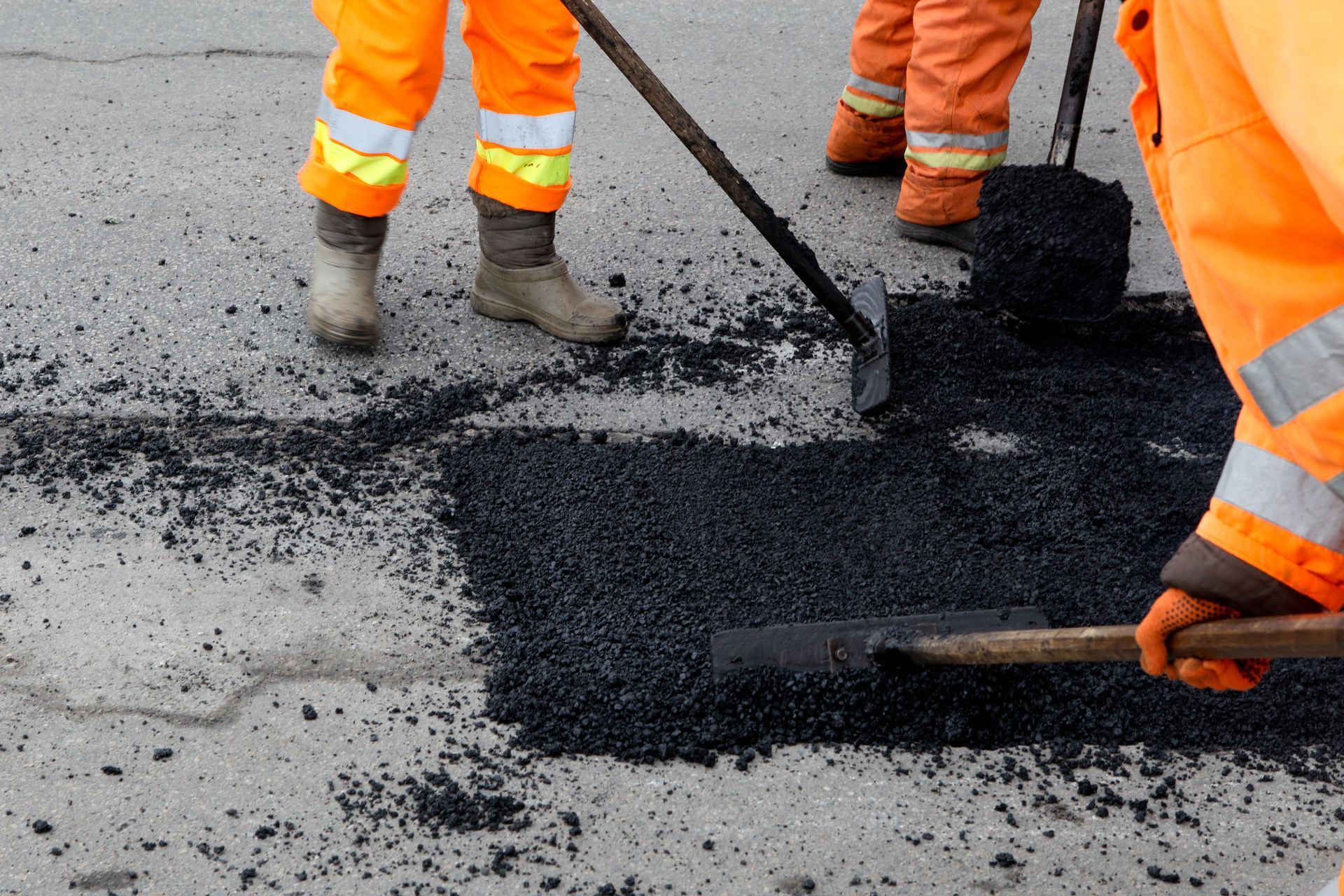
Repairing asphalt focuses on fixing specific problem areas while preserving the rest of the pavement. Common repair methods include crack sealing, pothole patching, localized repairs, and resurfacing sections that have experienced moderate wear. These services restore functionality without requiring the entire pavement to be removed.
One of the biggest advantages of repairs is cost efficiency. Since only damaged sections are addressed, repairs generally require less labor, fewer materials, and shorter project timelines. This makes repairs an attractive option for pavement that remains structurally sound but has begun showing normal signs of aging.
Repairs also help prevent small problems from becoming much larger ones. Water can quickly seep into cracks and weaken the base underneath the asphalt, especially during seasonal weather changes. Addressing damage early helps preserve the pavement's strength while delaying the need for more extensive work. An experienced paving contractor can recommend repair methods that match both the current condition of the pavement and your maintenance budget.
Evaluating the Need for Replacement
Sometimes repairs are no longer enough to restore the pavement's performance. When damage becomes widespread or the foundation beneath the asphalt begins to fail, replacing the pavement often becomes the more practical long-term solution. Although replacement requires a larger upfront investment, it creates an entirely new surface with a fresh foundation for years of dependable use.
Several conditions may point toward replacement instead of repair. Extensive alligator cracking, severe drainage issues, widespread potholes, repeated repairs in the same locations, or noticeable sinking often indicate deeper structural problems. Simply patching these areas may provide temporary improvement but will not solve the underlying issue.
According to Gitnux, asphalt pavements across the United States generally require major rehabilitation after about 15 years, although the actual lifespan depends on factors such as installation quality, maintenance, traffic levels, and weather exposure. This illustrates why pavement age should be considered alongside its overall condition when deciding between repair and replacement.
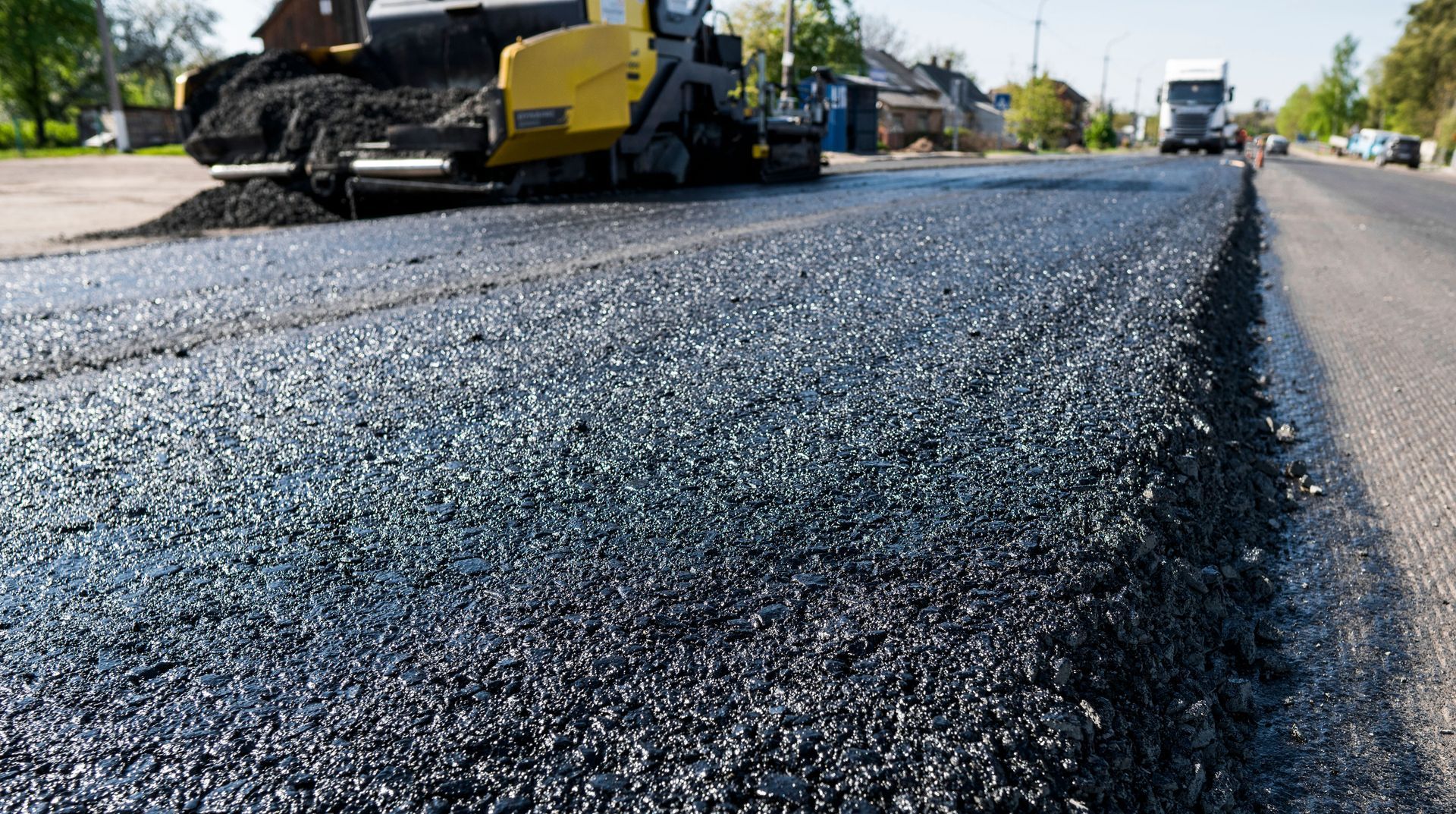
A full replacement allows contractors to correct issues beneath the surface that repairs cannot address. Improving the base, drainage, and grading during installation helps create a stronger finished product capable of handling daily traffic more effectively for many years.
Considering the Long-Term Value
Choosing between repair and replacement should involve more than comparing today's costs. While repairs usually cost less initially, repeated repairs over several years can eventually exceed the price of installing new pavement. Looking at the bigger picture often leads to a smarter financial decision.
Long-term value also depends on how the pavement is used. A lightly traveled residential driveway may benefit from several rounds of repairs before replacement becomes necessary. On the other hand, commercial properties with constant vehicle traffic may experience faster deterioration, making replacement the more economical option over time.
Maintenance history is another important factor. Pavement that has received routine sealcoating, crack sealing, and prompt repairs typically lasts much longer than neglected surfaces. Consulting with a knowledgeable paving contractor allows property owners to evaluate both immediate needs and future maintenance expectations before making a decision.
Balancing the Costs and Expectations
Budget is an important part of deciding between asphalt pavement repair and replacement, but it should not be the only factor. While repairs generally cost less upfront, repeated repairs over several years can eventually add up. Looking at the overall condition of the pavement and its expected lifespan often provides a clearer picture of which option offers the best long-term value.
An experienced paving contractor can help compare repair costs with replacement costs while considering your property's needs, traffic levels, and future maintenance plans. This guidance allows you to make a decision that fits both your budget and your long-term goals.
Protecting the Pavement With Routine Maintenance
Routine maintenance is one of the most effective ways to keep asphalt in good condition after either a repair or a replacement. Services such as sealcoating, crack sealing, and regular inspections help protect the surface from moisture, sunlight, and daily traffic. Taking care of small issues early can prevent them from developing into much larger and more expensive problems.
Scheduling periodic maintenance with a paving contractor also helps extend the life of your pavement and maintain its appearance. Consistent care often delays the need for major repairs while helping your investment last as long as possible.
Choosing the Right Solution for Your Property
Every property has different paving needs, so there is no universal answer when choosing between repair and replacement. Newer pavement with isolated damage may benefit from targeted repairs, while older surfaces with widespread deterioration often perform better after a complete replacement. A professional evaluation helps determine which approach makes the most sense.
Working with a qualified paving contractor gives you a better understanding of your pavement's condition and the available options. Professional recommendations are based on the pavement's overall performance, helping you choose a solution that provides reliable results for years to come.
Understanding the difference between asphalt pavement repair and replacement makes it easier to protect your property and avoid unnecessary expenses. Evaluating the condition of your pavement, addressing problems early, and investing in regular maintenance can significantly extend its service life while helping you get the most from your investment. Taking a proactive approach also reduces the risk of small issues developing into larger, more costly problems that can disrupt your property and require more extensive work.
Every pavement eventually reaches a point where repairs or replacement become necessary, but the right choice depends on its overall condition, age, and long-term performance goals. Working with an experienced paving contractor allows you to better understand your options and select the solution that delivers the greatest value for your property. Whether your pavement only needs minor repairs or has reached the point where replacement is the better option, making an informed decision today can help improve safety, maintain curb appeal, and provide reliable performance for years to come. If you're ready to improve the condition of your pavement, contact The Driveway Guys today for a professional evaluation and personalized recommendations.